Birding Guides
How to identify a bird: Newman’s five-point check
You often get only a few seconds with a bird. Newman’s five-point check turns that glimpse into an identification: colour, size, habitat, behaviour and distribution.

You often get only a few seconds with a bird. Newman’s five-point check turns that glimpse into an identification: colour, size, habitat, behaviour and distribution.
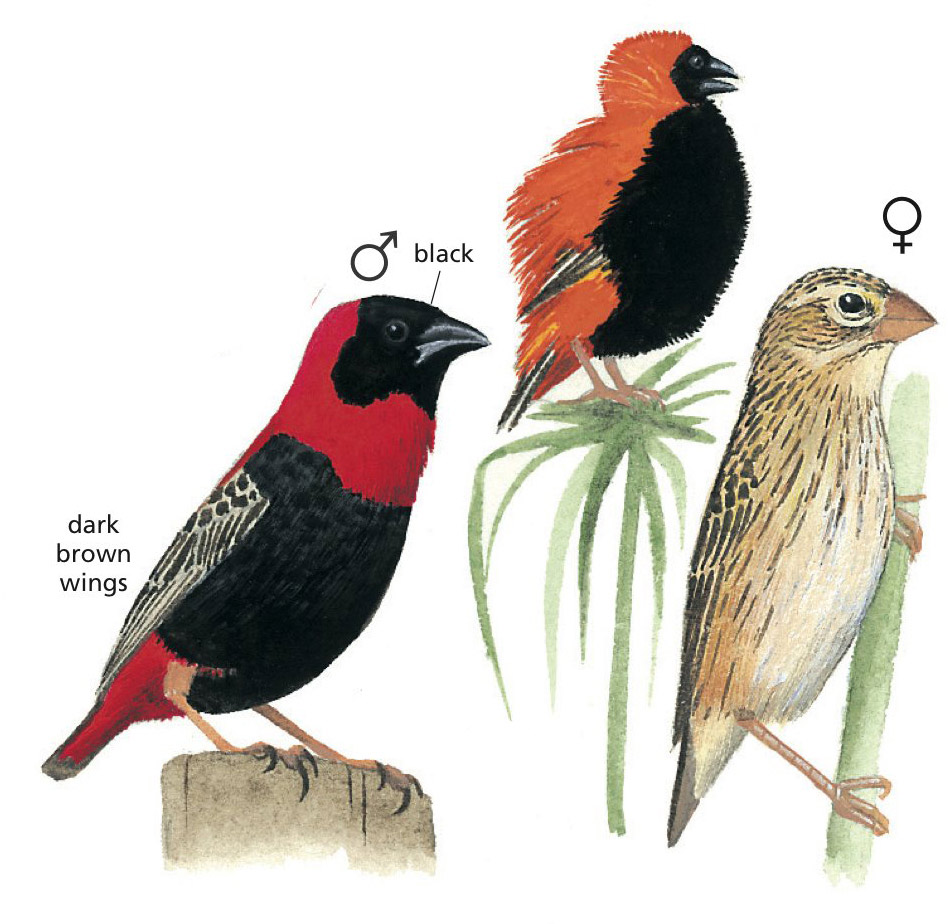
Red feathers are borrowed from food, worn as a signal and, in turacos, made from copper. Here is where red comes from and what it tells you in the field.
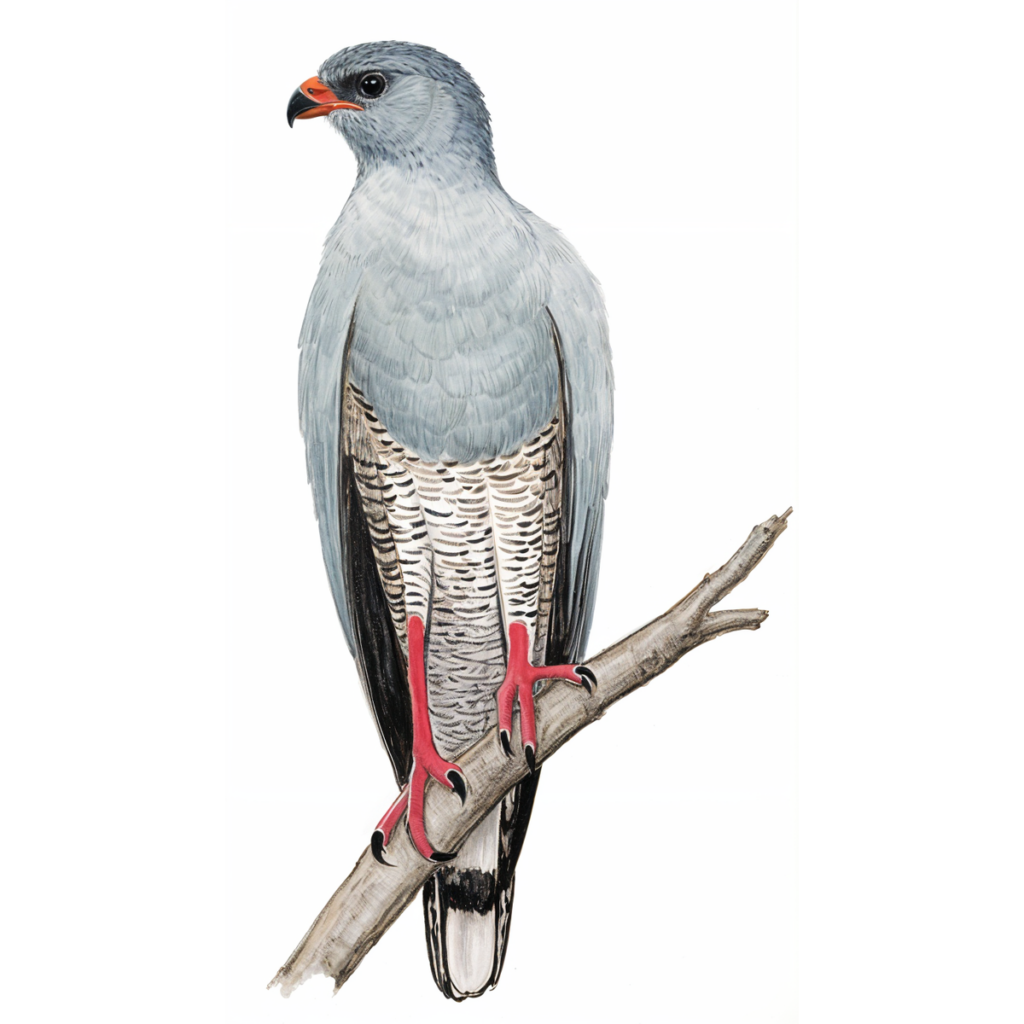
Grey feathers are more than dull colouring. They hide hunters against the sky, blend birds into bark and dry bush, and show a raptor’s age. Here’s how to read grey plumage, from gulls to goshawks.
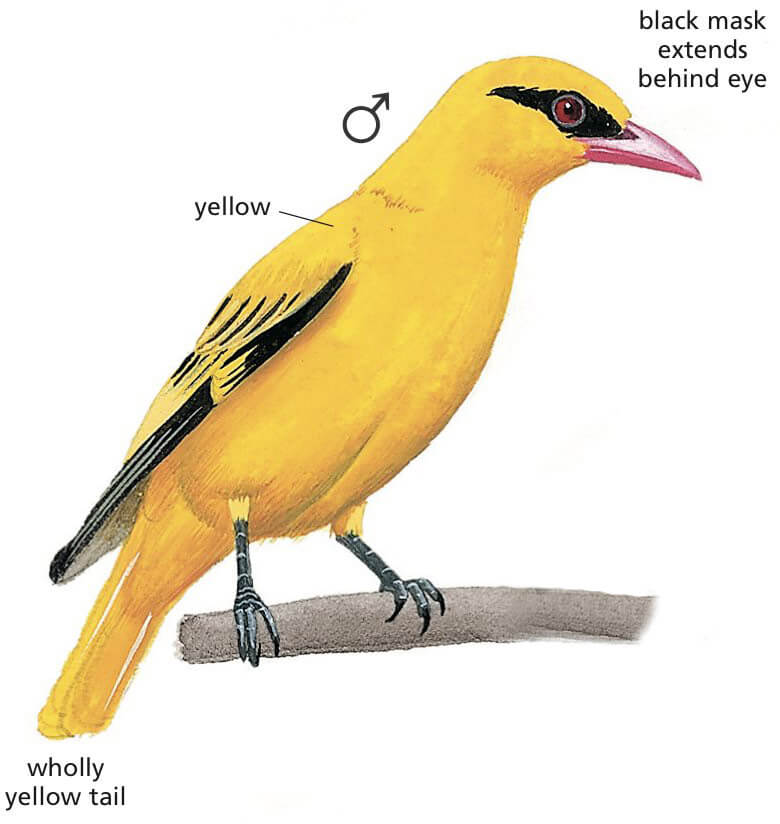
Yellow is the most common bright colour in birds. Find out where it comes from, how it helps birds hide and why the males of some weavers and bishops are so much brighter than the females.

Blue feathers get their colour from light and feather structure, not pigment. Here’s how iridescent and non-iridescent blue work in Southern African birds.

Black feathers aren’t just a colour. They hide birds, keep them warm and help them fly. Here’s how dark plumage helps birds from oystercatchers to swifts.