

Birding guides · Basics
You often get only a few seconds with a bird. The five-point check turns that glimpse into an identification.
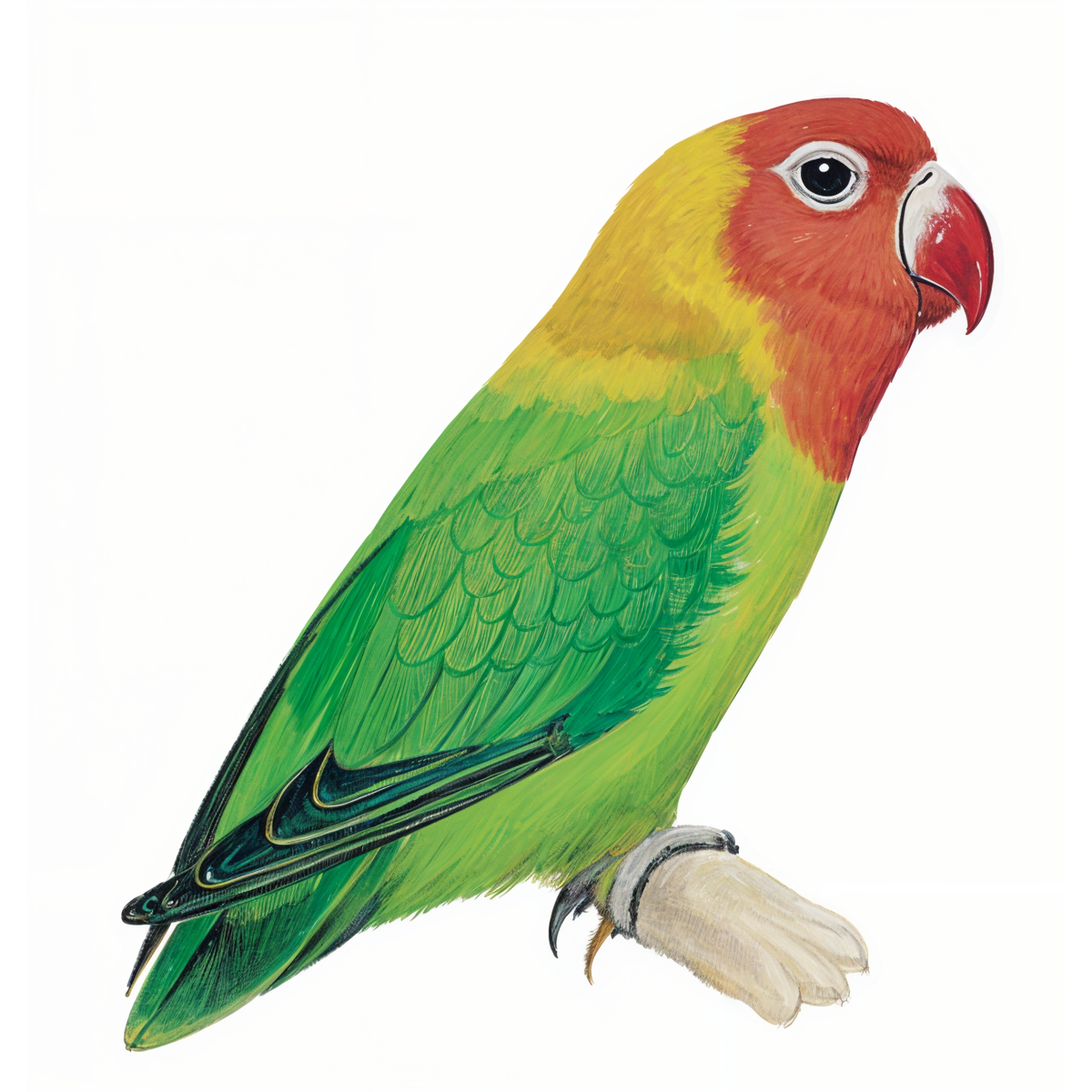
Bird identification is tricky, especially at the start. A bird lands, you get a quick look, and then it’s gone. All you have left is a flash of colour, and even that may not be right.
The fix is to note the same five things every time. That’s Newman’s five-point check. Learn it once and it soon becomes a habit you don’t have to think about.
1. Colour and markings
Most birders notice colour first, so start there. Newman’s Birds by Colour groups birds under thirteen colour tabs, from red to black and white.
Then look closer at the colour of specific parts: the head, breast, tail and wings. Look for patterns too, such as wingbars or a breast band.
Be honest about what you actually saw. Often the bird wasn’t red all over. It was only the bill, the head or the tail. Write down the part, not just the colour.
2. Size
The easiest way to judge size is to compare the bird with common birds you already know. In Newman’s Birds by Colour, a House Sparrow is small, a Rock Dove is medium, a guineafowl is large and a Hadada Ibis is extra large.

about 15 cm
House Sparrow

about 30 cm
Rock Dove
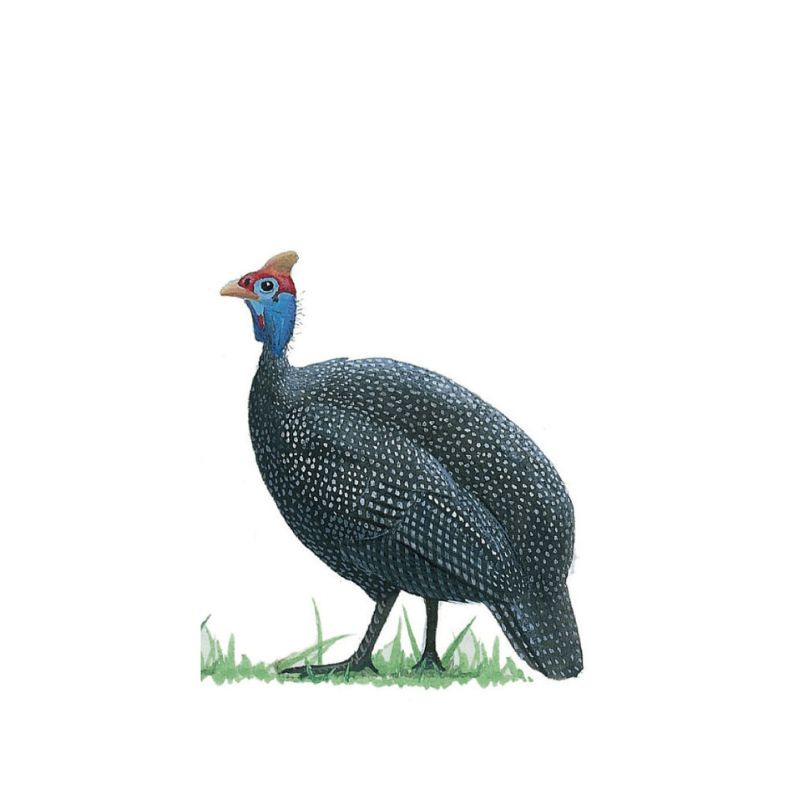
about 50 cm
Helmeted Guineafowl
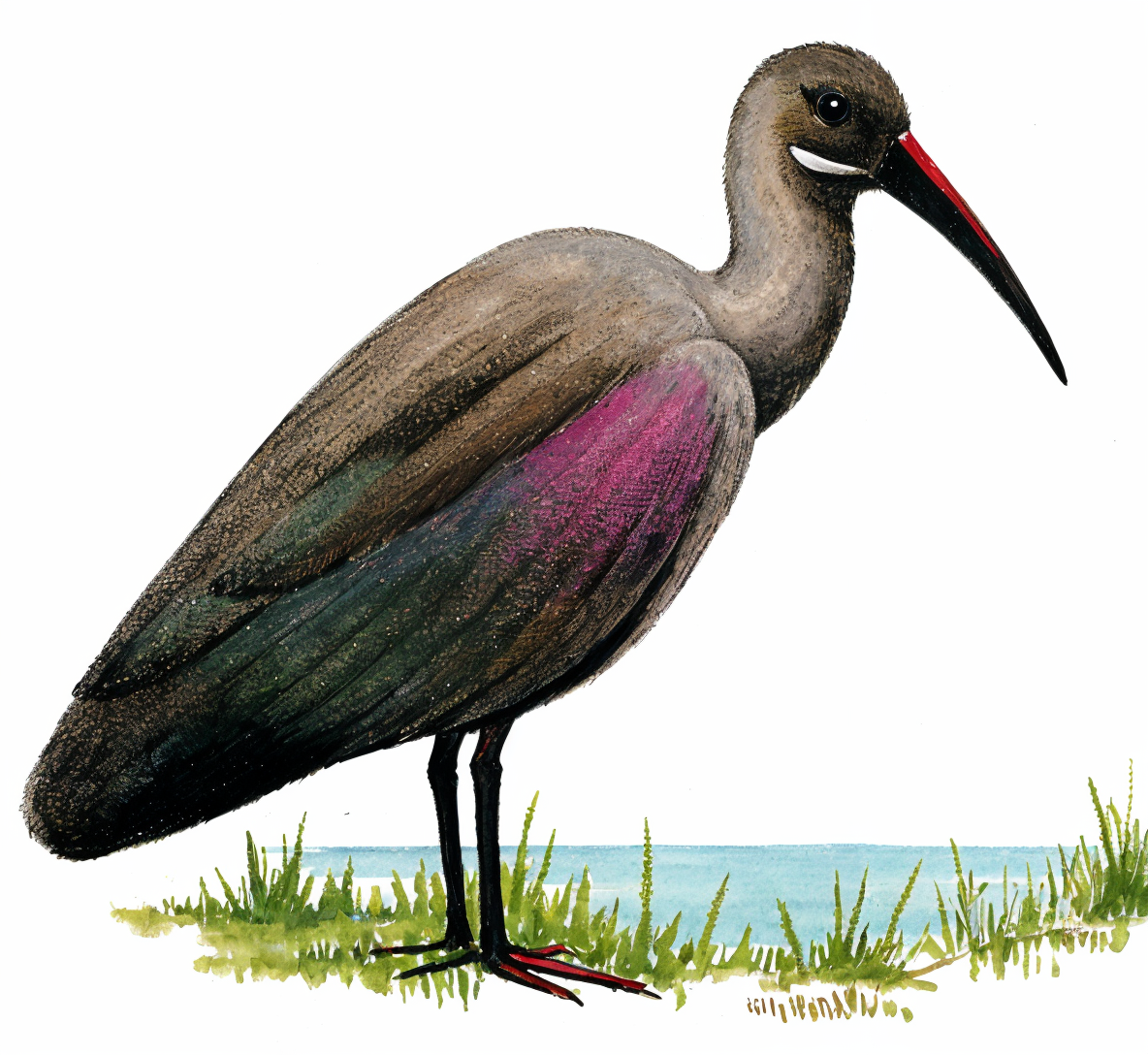
70 cm or more
Hadada Ibis
Illustrations are not drawn to the same scale.
Birds are measured lying flat, from the tip of the bill to the tip of the tail, not by their height. If the legs stick out past the tail, they count too.
3. Habitat
Birds live where their food and nest sites are. That makes habitat one of the fastest ways to shorten your list of possibilities. The book uses eleven habitat groups, each with its own icon on the species pages.











- Wetlands: herons, ibises, ducks, flamingos, and smaller birds such as bishops, weavers and warblers.
- Grasslands: larks, pipits, widowbirds, korhaans, cisticolas, francolins and cranes.
- Rocky areas and cliffs: very local specialists such as Bearded Vulture, Mocking Cliff Chat and the rockjumpers.
- Towns and gardens: Cape Sparrow, Grey Go-away-bird, Blacksmith Lapwing, robins and weavers.
4. Behaviour and activity
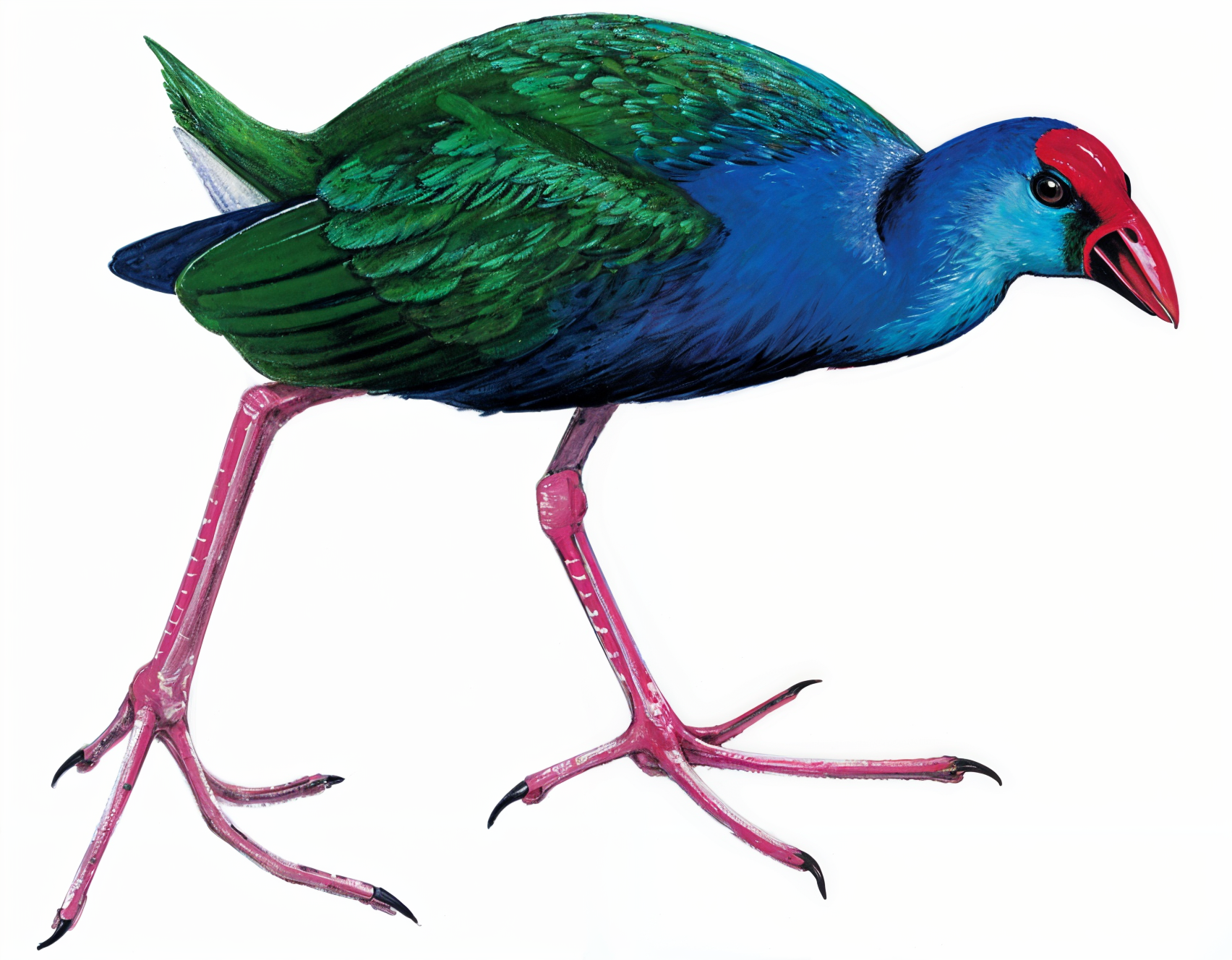
Watch what the bird is doing. Is it walking or hopping (starling or thrush), swimming (duck), wading (heron) or probing the mud (ibis)? In the air, is it feeding on insects (swift or swallow)? In a tree, is it in the outer leaves (warbler), perched on top (flycatcher, shrike or drongo), or pecking at the trunk (woodpecker or barbet)?
Note the time of day too. Most birds are busiest from dawn until about 10h30 and again from about 16h30 until last light. Owls, nightjars and thick-knees are active at night.
Finally, think about the season. Most birds are here all year, but summer migrants arrive in spring and leave in late summer, so you would not expect one in the middle of winter.
5. Distribution
If you’re still unsure, check the distribution map. Does the bird you have in mind occur where you saw it? A bird inside its normal range is the safer bet. Birds do sometimes turn up far from home, but those cases are rare and worth checking with more experienced birders.
In the field
Keep a small notebook and pencil in your pocket. Write down the five points, even as a rough sketch, before you open the guide. Your notes are far more reliable than your memory that evening.
A companion trick: shape and posture
Experienced birders also use GISS, the General Impression of Size and Shape (say “jizz”). It’s the overall look of a bird: its posture, how it walks, how it holds its tail. A bird with a wagtail’s strut and bobbing tail is a wagtail, even if the colours surprise you. The two methods work well together.
Try it on your next outing
Pick the next bird you don’t know and go through the five points in order. Newman’s Birds by Colour is built around them: birds are grouped by colour tab, then by size, and each species page shows habitat, a distribution map and the key clues.

The book
Newman’s Birds by Colour, 5th edition
Southern Africa’s common birds arranged by colour and size, now with QR codes to hear each bird’s call.
Sources
- Newman’s Birds by Colour, 5th edition (Introduction: Newman’s five-point check; GISS).