

Hadada Ibis

Bostrychia hagedash

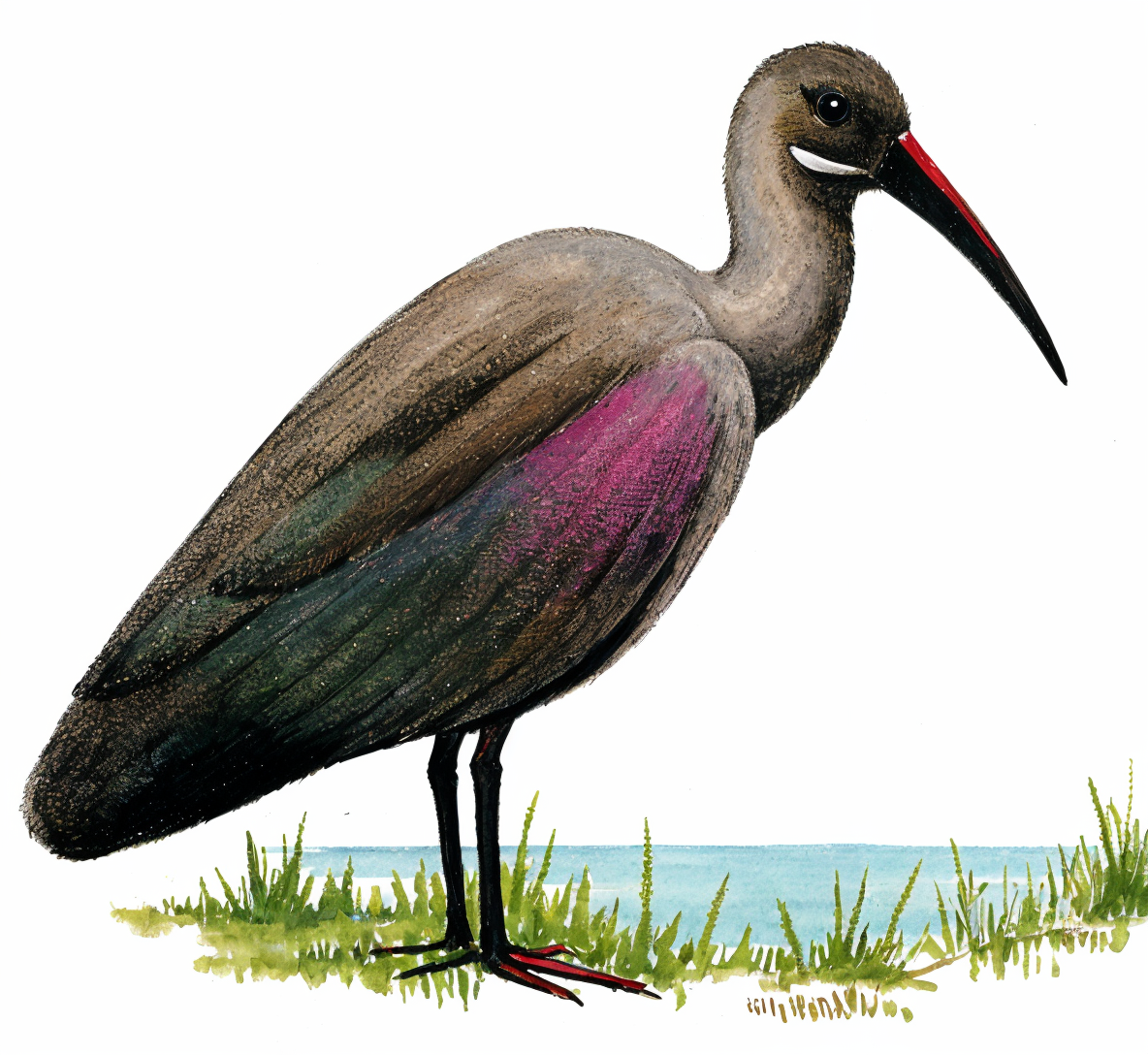
Wetlands and gardens. The head and neck are dull grey-brown; rest greenish-black with iridescent shoulder.
Ibises, Spoonbills
LC
Not Endemic
Hadada Ibis Newman's Birds

Description

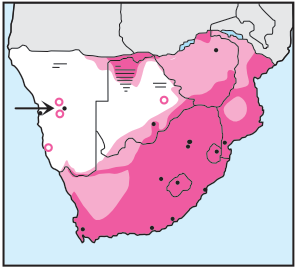
Common resident. Identified by heavy brown body with fairly short legs, decurved bill with red culmen, iridescent pink shoulder and white cheek-stripe. Shows broad wings in flight. Immature is dull and fluffy-headed. Very noisy, especially early morning and evening; when perched or in flight utters a raucous ‘Ha! ha-a-a… ha-ha-a-a…’. Often, several birds call in unison. Pairs or small groups feed on damp ground, near water or in vleis, plantations, agricultural lands, playing fields and suburban gardens. Roosts in tall trees and flies to and from feeding grounds early and late in the day.

Quick Facts

size

Size

76 cm - VL

behaviour

Names

A: Hadeda
Z: iNkankane
Ss: Lengaangane
G: Hagedasch-Ibis

Bird Family

Fairly large birds with longish legs. Ibises have long, decurved bills for probing in the ground for insects, worms and other invertebrates, as well as small reptiles and mammals on occasion. Spoonbills have spatulate bills used to catch small fish and aquatic invertebrates. All but the Hadeda Ibis are normally silent.


Grey
Human Settlements

Distribution

Gallery

Hadada Ibis Newman's Birds
behaviour

Behaviour

Breeding

Breeding

Habitat

Habitat

behaviour

Best Locations

0 Cart