

Birding guides · Colour
Yellow is the most common bright colour in birds. It comes from their food, and it helps them hide and find a mate.
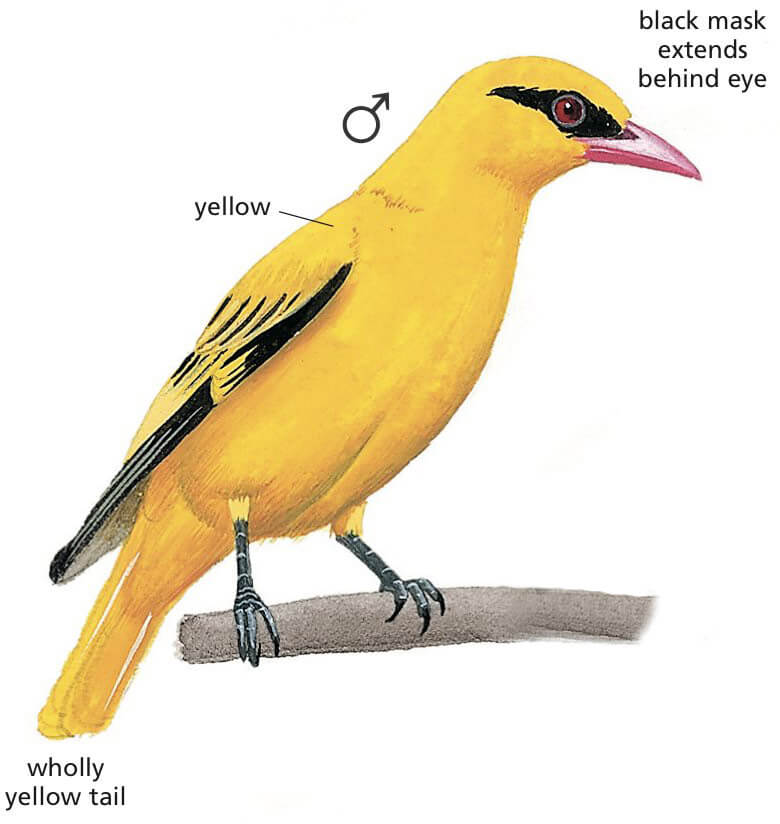
Of all the bright colours seen in birds, yellow is probably the most common. In the yellow section of Newman’s Birds by Colour, only true yellow is included, because it’s the colour most likely to make a lasting impression on an observer. Waterbirds you can identify by their yellow bills, such as the Yellow-billed Duck, are included. The many birds of prey with yellow ceres and legs are not, because those features don’t identify a species.
In most birds with yellow plumage, it’s the underparts that carry the colour, and many are yellow from chin to tail.
Where yellow comes from
Unlike blue, yellow in most birds does come from pigment. The pigments are carotenoids, the same family of compounds that colours carrots, maize and egg yolks. Birds can’t make carotenoids themselves. They get them from their food: seeds, fruit, flowers and the insects that have eaten plants.
That makes a bright yellow bird a well-fed bird. Researchers have found that in many species the strength of carotenoid colour is linked to the bird’s condition and health. This may be one reason females of some species choose the brightest males.
Countershading: yellow as camouflage
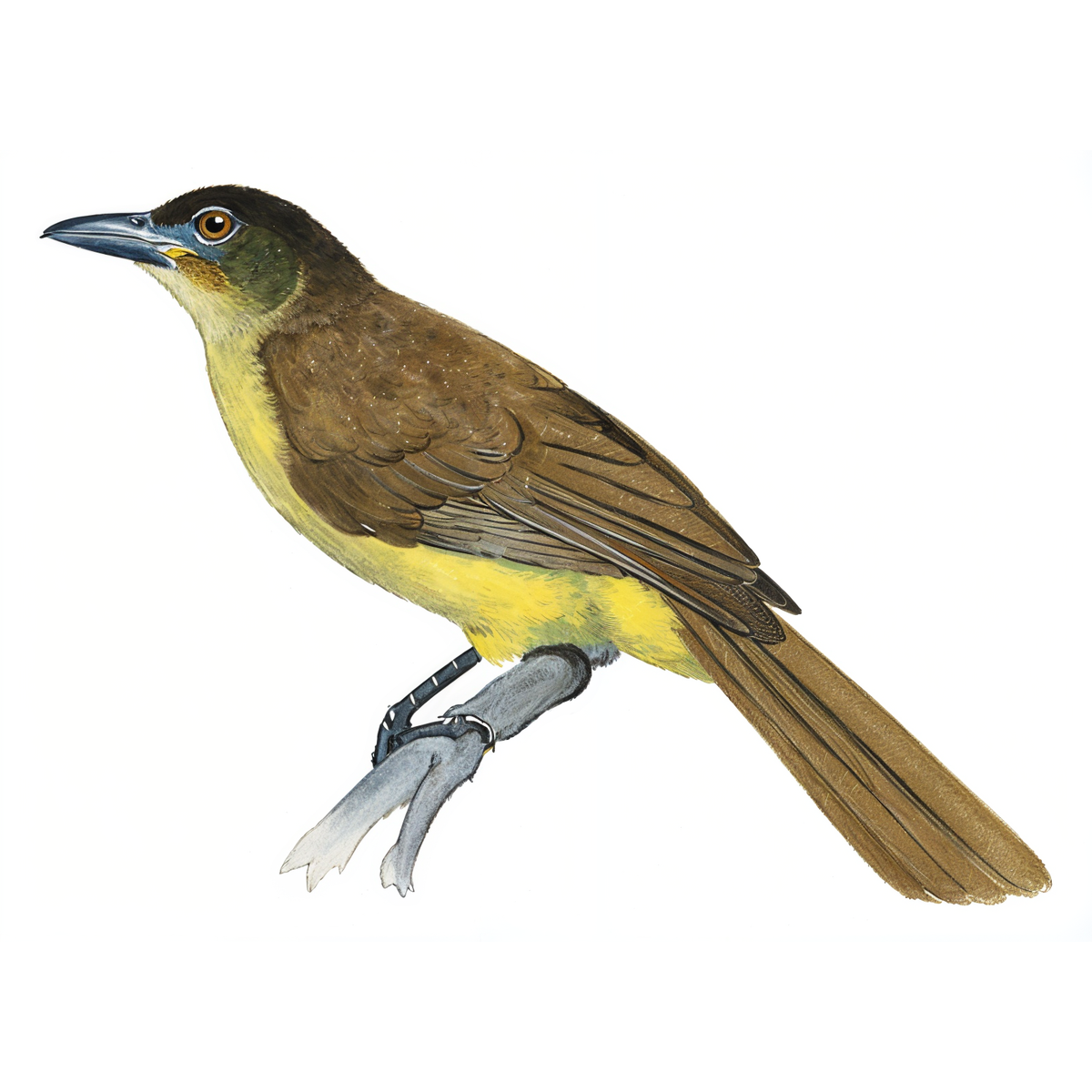
It’s common to see birds with darker upperparts and paler underparts. This colouring can help camouflage a bird and is called countershading. In sunlight, a uniformly coloured bird looks paler above, while its underparts are shaded and look darker.
A bird that is green above and yellow below looks much the same colour all over, because its yellow underparts take on a greenish tone in the shade. That helps it blend into the background. Look for this in birds such as the Yellow-bellied Greenbul, which is often heard in thick bush long before it’s seen.
In the field
Next time a greenbul or canary sits in the shade, notice how its yellow belly dulls to olive. Step to where the sun lights it from below and the yellow jumps out.
Sexual dimorphism: bright males, dull females
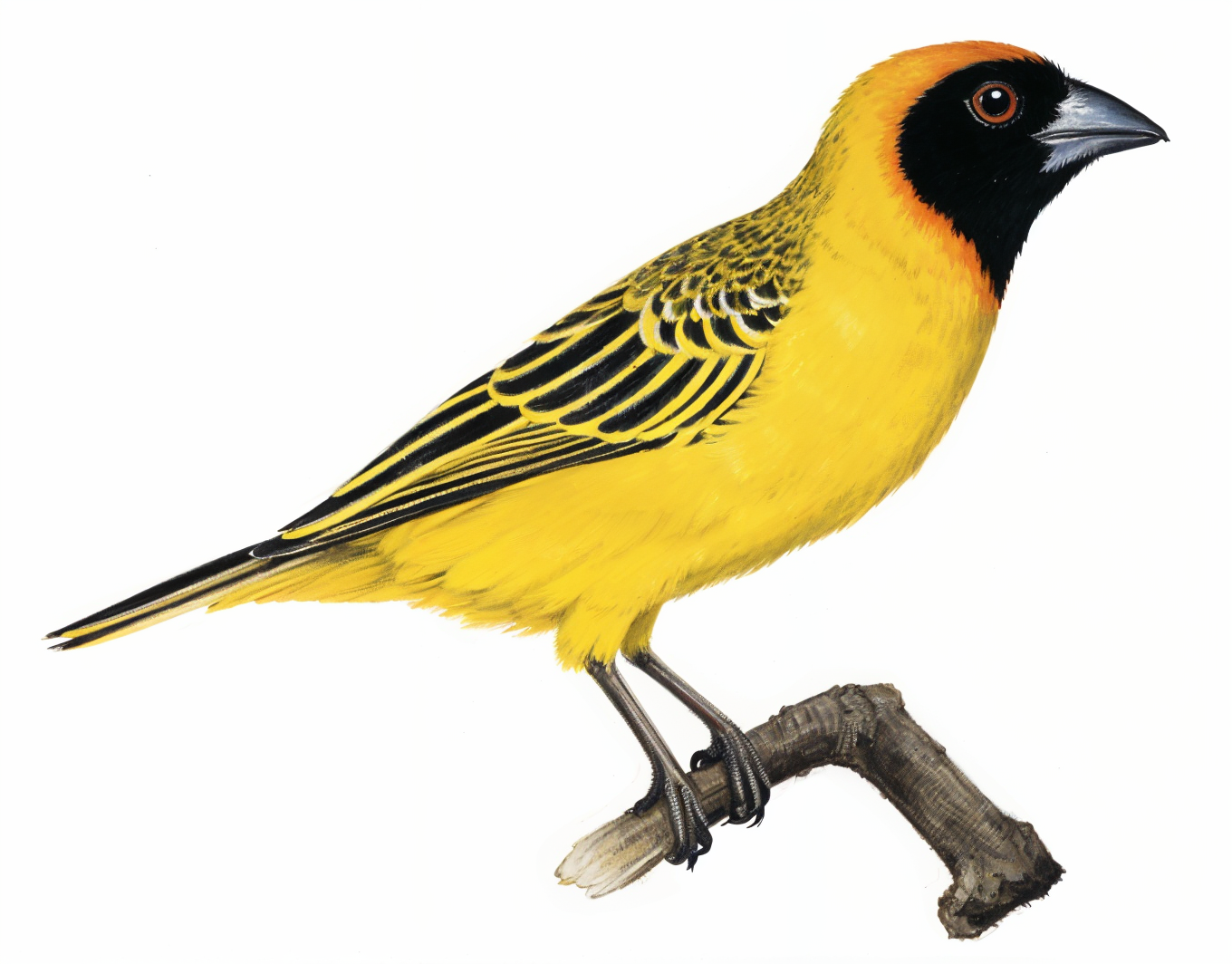
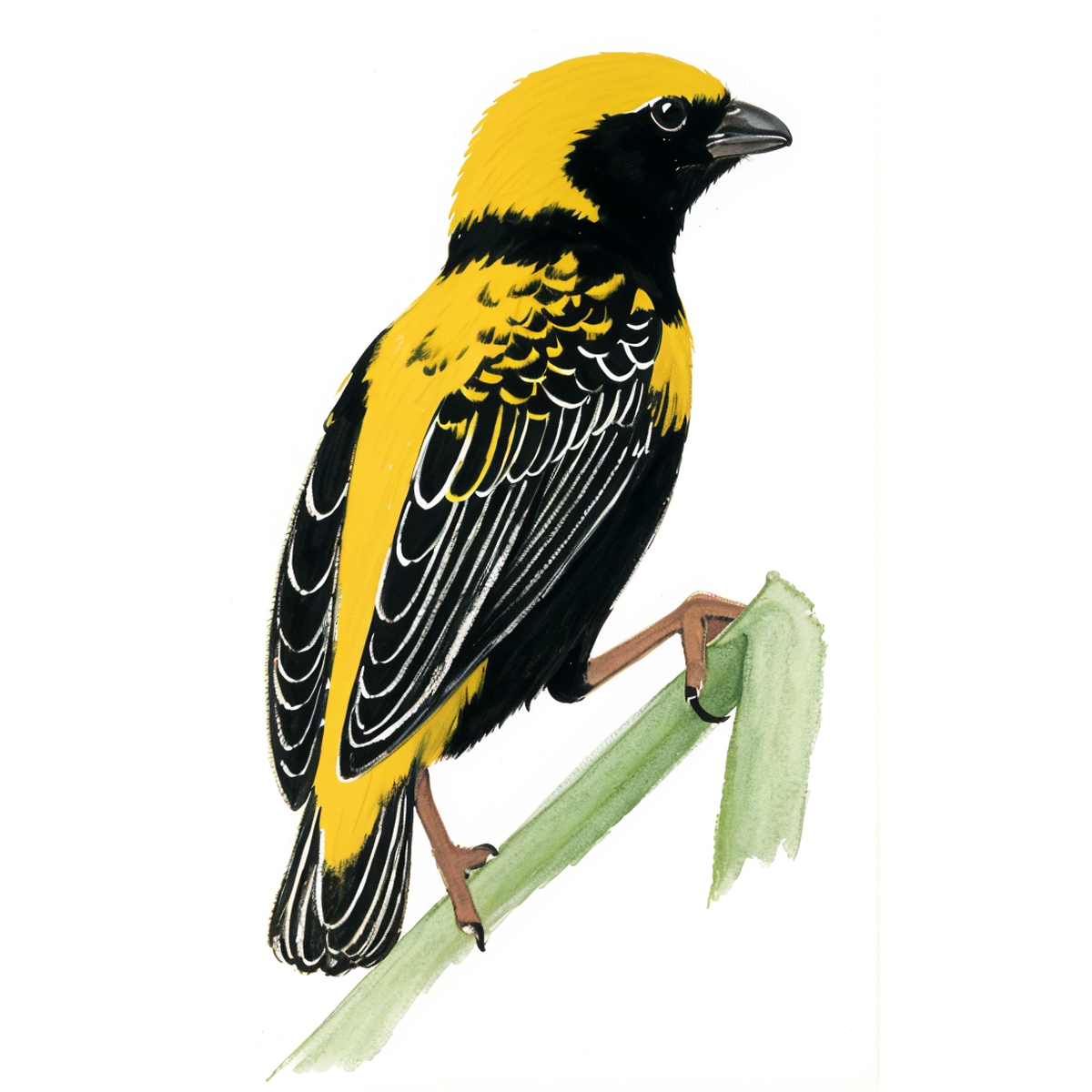
When breeding, Yellow-crowned Bishop and Southern Masked Weaver males have conspicuous plumage, which they use in displays and to defend their territory. The females stay comparatively dull. They need to be inconspicuous so they don’t attract predators while they incubate their eggs and raise their young.
A male Southern Masked Weaver works hard for his colours. He builds a succession of nests, often around 25 in a season, and females inspect them before choosing one to line with soft grass and feathers. A successful male may pair with several females.
Outside the breeding season, the male loses his mask and looks much like the female. One clue remains: he keeps his red eye.
Feather maintenance
Because a bird’s feathers are so important, they get regular care and maintenance by preening. A bird will clean and rearrange dirty or disarranged feathers by pulling them through its bill, and will scratch with its feet to loosen dust, old feather particles and parasitic mites.
To keep feathers strong, flexible and waterproof, birds apply a preen oil to their plumage. The bird gathers the oil by rubbing its bill or head against a gland on its rump, near the base of the tail, and spreads it over the feather surfaces, especially the flight feathers.
Not every bird has this gland. Bustards, woodpeckers and the Ostrich lack one, and keep their feathers in condition in other ways, such as dust bathing. Some birds even use preen oil as make-up: Greater Flamingos have carotenoid pigments in their preen oil and preen more often in the breeding season, rubbing extra pink colour onto their feathers.
Try it on your next outing
When you see a yellow bird, check three things: where the yellow is (underparts only, or all over), whether a darker mask or cap goes with it, and the colour of the eye. Those three clues separate many of the yellow weavers, bishops and canaries.
Sources
- Newman’s Birds by Colour, 5th edition (main text adapted from the yellow plumage section).
- Carotenoid metabolism strengthens the link between feather coloration and individual quality, Nature Communications.
- The evolution of carotenoid-based plumage colours in passerine birds (Delhey et al., 2023), Journal of Animal Ecology.
- Flamingos, Springer Nature Link
- Uropygial gland, Wikipedia.

The book
Newman’s Birds by Colour, 5th edition
Southern Africa’s common birds arranged by colour and size, now with QR codes to hear each bird’s call.