

Birding guides · Colour
Blue isn’t a pigment in birds. It’s made by light and the structure of the feather.
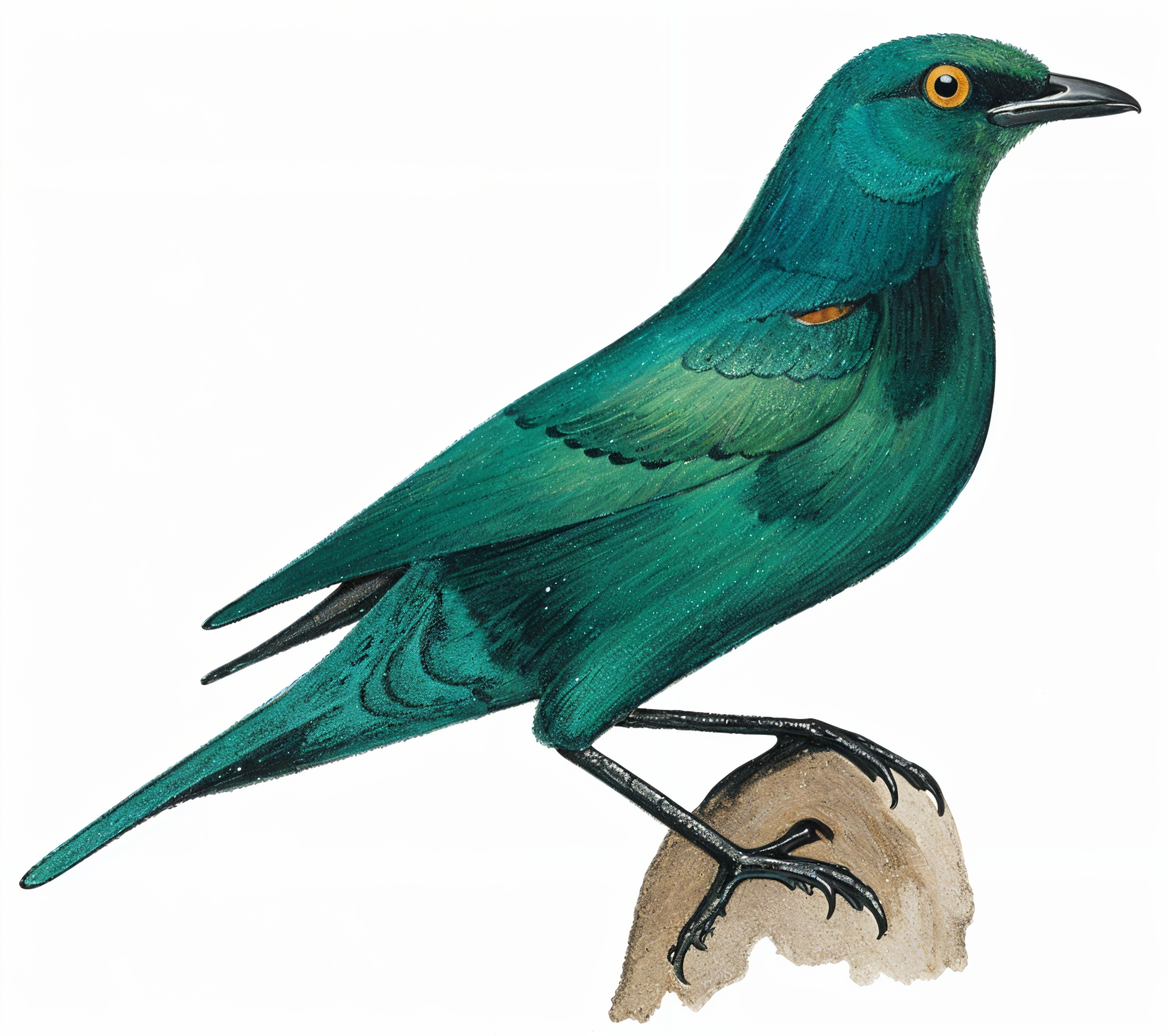
Some of our most colourful birds owe their brilliance to blue plumage. Often it’s iridescent blue, as in starlings, swallows and wood hoopoes, which look metallic blue or green depending on the light. Certain raptors may also appear blue-black in full sun.
What makes a bird appear blue or iridescent?
Most plumage colours are the result of pigments, but not blue and iridescent colours. These striking colours are a product of the interaction between light and the structure of the feathers.
Iridescent colour: it changes as you move
Iridescence is produced in two ways. Light passing through a thin layer of keratin is refracted on the surface of the feather barbules, or tiny granules of melanin lying in a thin layer just below the surface of the barbules do the same job.
Either way, the colour changes depending on the angle at which you view the bird. The feathers might look dull one moment and shine the next. Flight feathers are usually not iridescent.

In the field
Watch a Cape Starling in the sun and take a step to the side. The same feathers can flip from blue to green to almost black.
Non-iridescent blue: the same from every angle
Non-iridescent blue is created when light is scattered by minute air-filled cavities between the keratin and the feather barbules. The thickness of the keratin cortex sets how intense the reflected blue is, while the rest of the light is absorbed by the pigment in the feathers below.

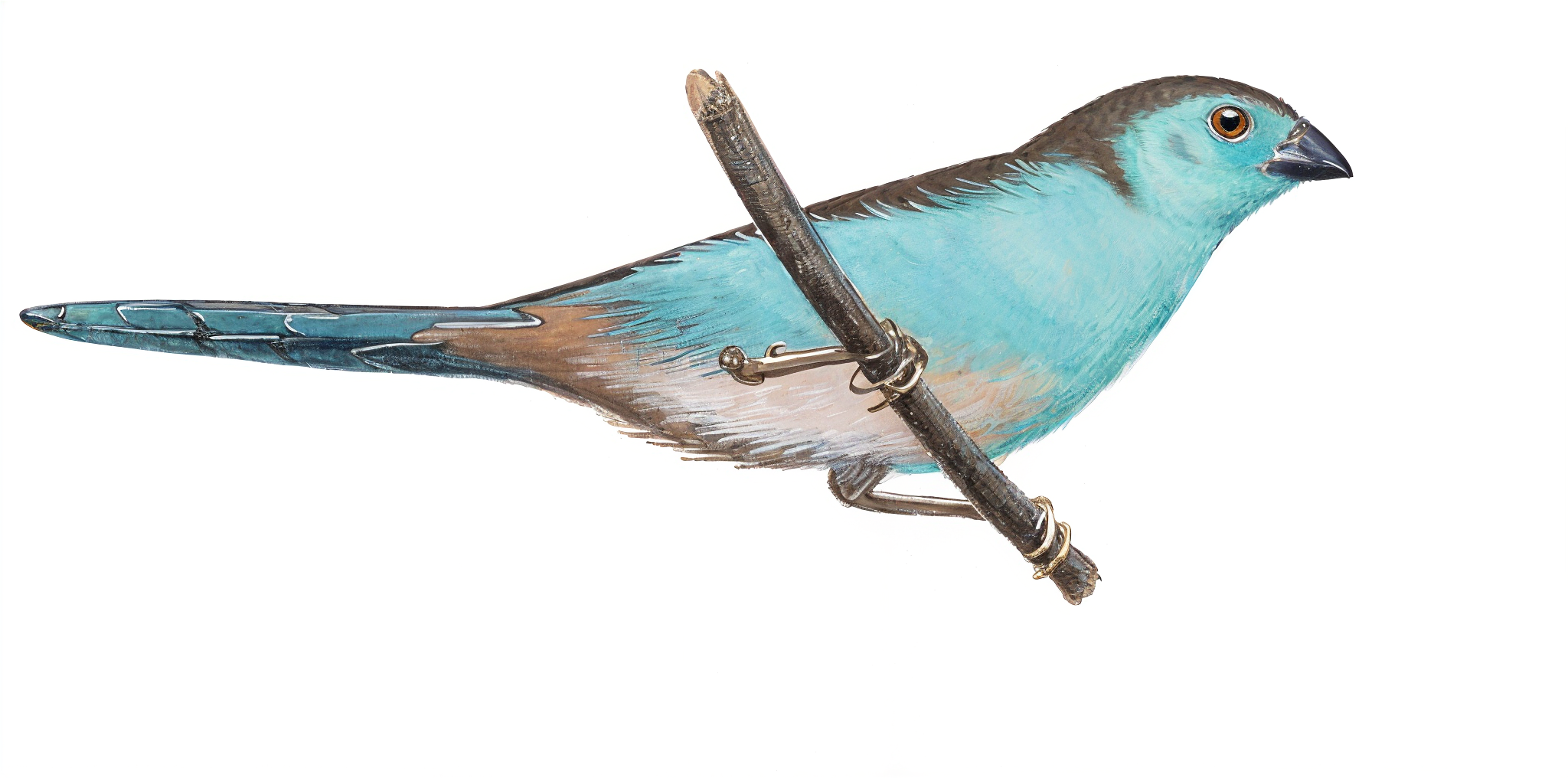
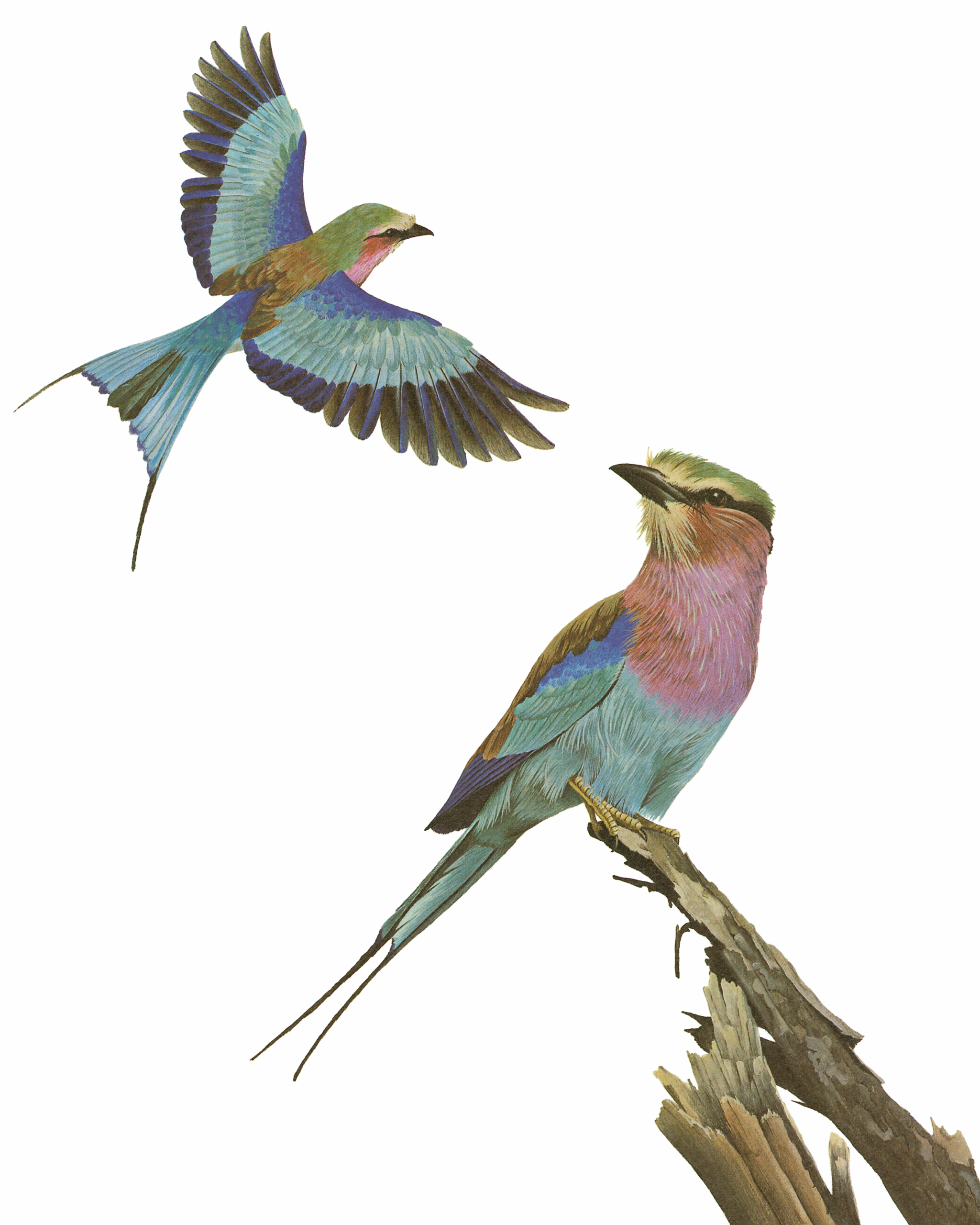
Because of this, the colour doesn’t change when you view the bird from a different angle. Rollers such as the Lilac-breasted Roller all have brilliant blue wings, often described as electric blue. It’s a true colour, and it also occurs in some bee-eaters and the Blue Waxbill.
Try it on your next outing
When a flash of blue catches your eye, move a few steps and look again. If the colour shifts or fades, you’re seeing iridescence. If it stays the same electric blue, like a roller’s wings, it’s structural blue.

The book
Newman’s Birds by Colour, 5th edition
Southern Africa’s common birds arranged by colour and size, now with QR codes to hear each bird’s call.