

Blue Waxbill

Uraeginthus angolensis

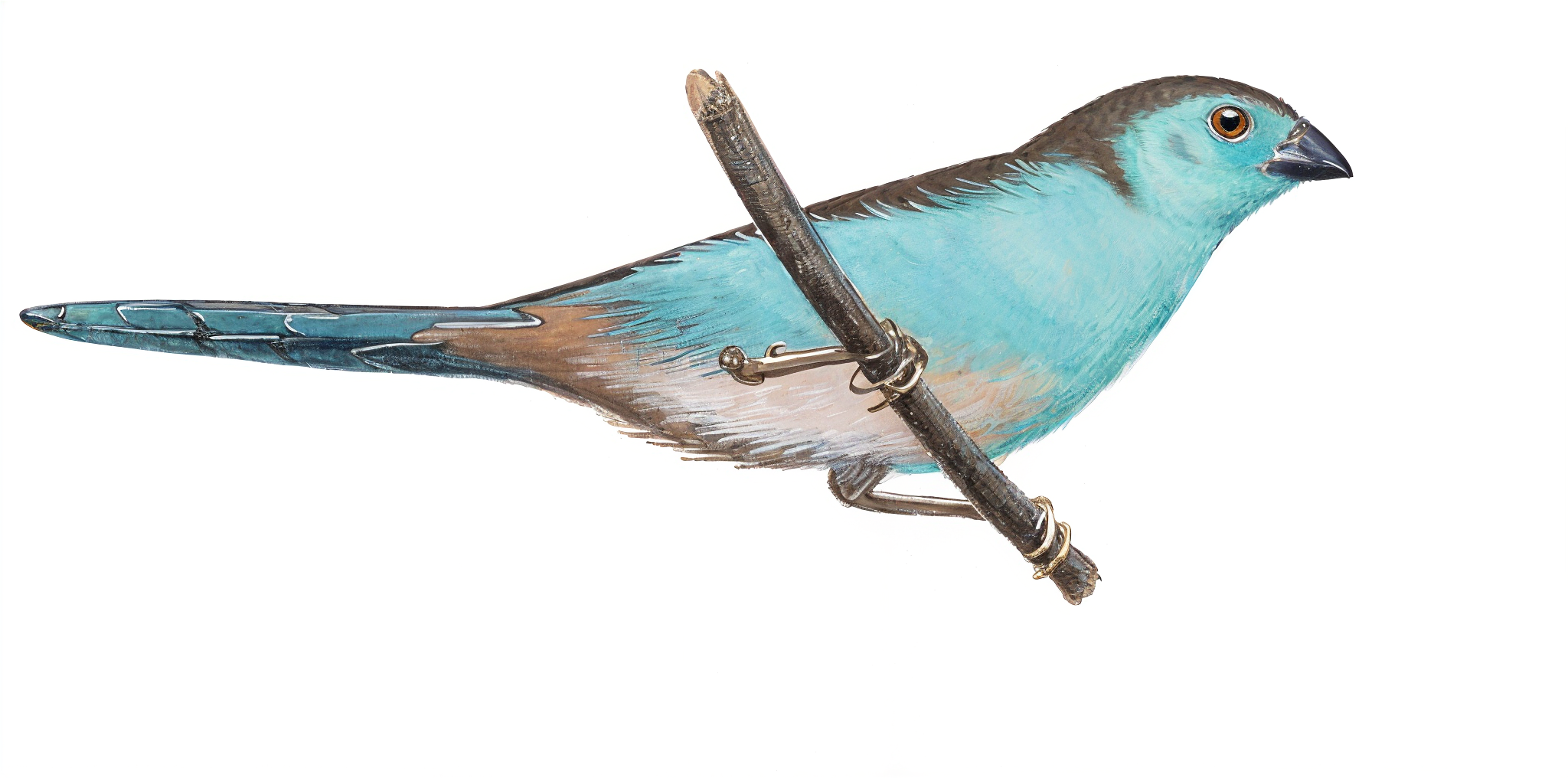
Thornveld. Underparts blue; above brown.
Finches, Mannikins, Twinspots, Waxbills
LC
Not Endemic
Blue Waxbill AI

Description

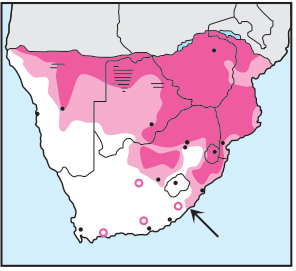
Very common resident. Easily identified by powder-blue underparts (extent variable). Immature paler than female, bill black. Calls frequently on the ground and in flight, a high-pitched ‘weet-weet’; also has a complicated song. Pairs and small parties – frequently with other small seedeaters – occur in dry thornveld, often in dry watercourses and bare patches of ground under bushes and in kraals. Flies into bushes when disturbed. Never far from water. Nomadic, moving into suburbia in dry winters.

Quick Facts

size

Size

12-14 cm - S

behaviour

Names

A: Gewone Blousysie
Z: isicelankobe
Ss: Borane-Putswapududu
G: Angola-Schmetterlingsfink

Bird Family

Small, conical-billed, ground- or grass-feeding seed-eaters, although some will also eat insects. They usually have colourful plumage, although females are usually more drab than males. They generally occur in pairs, or are gregarious when not breeding.


Blue
Savanna Bushveld

Distribution

Gallery

behaviour

Behaviour

Breeding

Breeding

Habitat

Habitat

Pairs and small parties – frequently with other small seedeaters – occur in dry thornveld, often in dry watercourses and bare patches of ground under bushes and in kraals.


behaviour

Best Locations

0 Cart