
South African Cliff Swallow

Pterodelichon spilodera

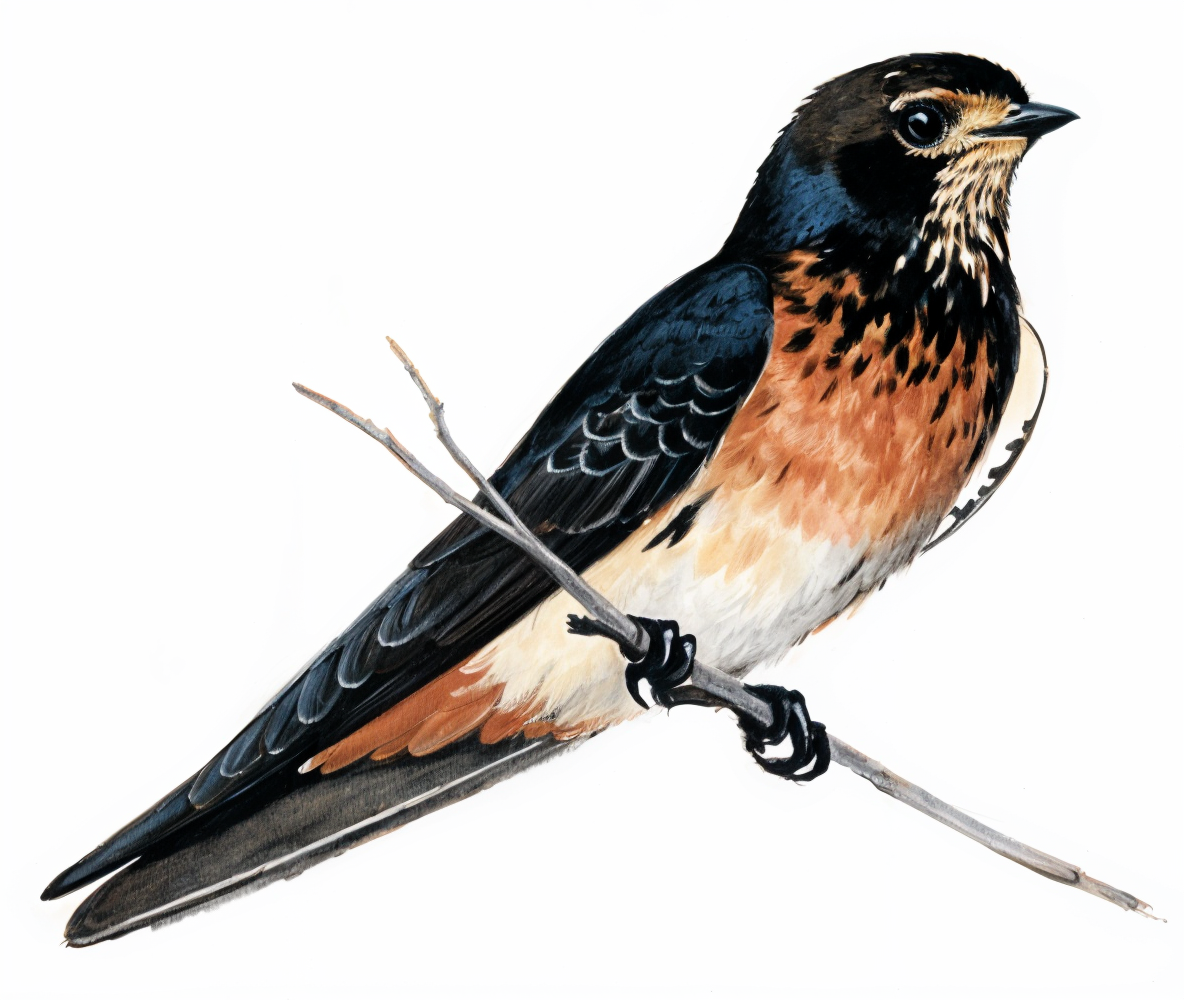
Bridges, towers. Cap brownish; rump orange; rest of upperparts dull metallic blue; breast orange dappled dark blue; belly white; vent orange.
LC
Near Endemic
South African Cliff Swallow Newman's Birds

Description

Common, near-endemic summer resident. It has a square tail (sometimes with slight notch) and shows dark mottled chin and throat. Similar to [Barn Swallow] but with more robust appearance, pale rump and paler throat. Immature browner and duller above. Has a three- or four-syllable call ‘chor-chor-chor-choor’. Flocks frequent the vicinity of their colonial breeding sites: cliffs, water towers and other buildings in dry grassland regions. Often seen wheeling about large mud-nest colonies under road bridges along major highways; nests often taken over by other species such as Little Swift, Red-headed Finch and House Sparrow.

Quick Facts

size

Size

15 cm - S

behaviour

Names

A: Familieswael
Z: inkonjane yamawa
Ss: Lefokotsane-La-Dilomo
G: Klippenschwalbe

Bird Family

Small, long-winged, aerial-feeding birds. Swallows have mostly glossy-blue upperparts (some with rufous caps) and whitish, rufous or streaked underparts; the blackish saw-wing swallows are an exception. Saw-wings have rough, saw-like leading edges to their primary feathers (not apparent in the field). In all species, immatures are duller than adults. They build nests with mud pellets or burrow tunnels in banks or cliffs; they drink and bathe in flight by skimming the surface of still water, and perch to rest. For comparison, see swifts.


Orange
Aerial

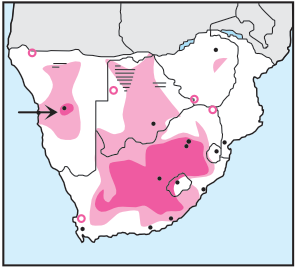
Distribution

Gallery

South African Cliff Swallow Newman's Birds
behaviour

Behaviour

Breeding

Breeding

Habitat

Habitat

Flocks frequent the vicinity of their colonial breeding sites: cliffs, water towers and other buildings in dry 'grassland' regions.


behaviour

Best Locations

0 Cart