
Lesser Honeyguide

Indicator minor

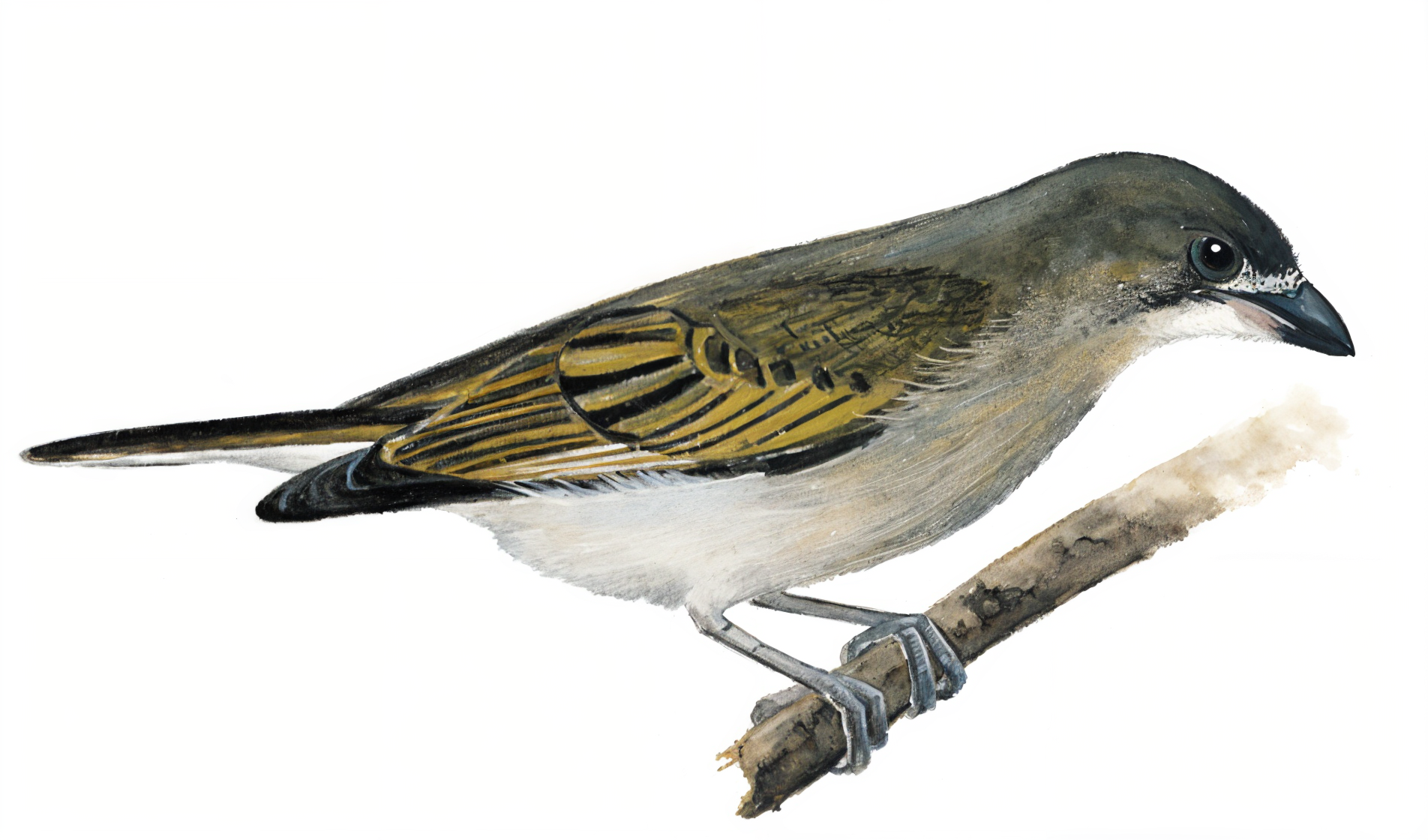
Woodland. Dark greenish-brown above; wing feathers edged paler; outer tail feathers white; breast dusky; belly white; white patch above the base of the stumpy bill.
Honeybirds, Honeyguides
LC
Not Endemic
Lesser Honeyguide AI

Description

Common resident. Characterised by thick bill with a pale patch at the base and yellow edges to the wing-feathers. Told from {Pallid Honeyguide} by duller appearance, dull grey-brown (not greenish) head, dark grey malar stripe and lack of any streaking on the underparts. Uses a regular call-site, from where it calls ‘tzeeu… sheek, sheek, sheek…’ repeated 30 to 40 times. Resembles a stocky [Southern Grey-headed Sparrow] Occurs singly in various wooded habitats, including suburbia. Known to parasitise the Black-collared Barbet.

Quick Facts

size

Size

15 cm - S

behaviour

Names

A: Kleinheuningwyser
Z: ingedana
Ss: Tsetlo E Nnyenyane
G: Kleiner Honiganzeiger

Bird Family

Small, inconspicuous birds that show white outer tail-feathers in flight. Some species have distinctive calls and regular call-sites; others have weak, sibilant calls, which are seldom heard. They are mostly insectivorous, but a few species have developed the habit of leading people to wild bees' nests (as suggested by their genus name, *Indicator*) by continually chattering and fluttering conspicuously in the desired direction. When the bees' nest is broken open, the honeyguide feeds on the wax and grubs. Like cuckoos, they build no nests but parasitise various other small birds. The smaller species of the genus *Prodotiscus* are now called honeybirds.


Dark Brown
Savanna Bushveld

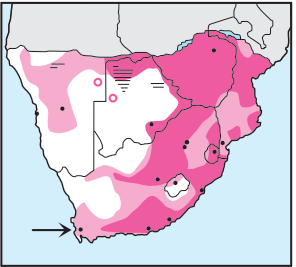
Distribution

Gallery

behaviour

Behaviour

Breeding

Breeding

Habitat

Habitat

Resembles a stocky [Southern Grey-headed Sparrow] Occurs singly in various wooded habitats, including suburbia.


behaviour

Best Locations

0 Cart