

Familiar Chat

Cercomela familiaris

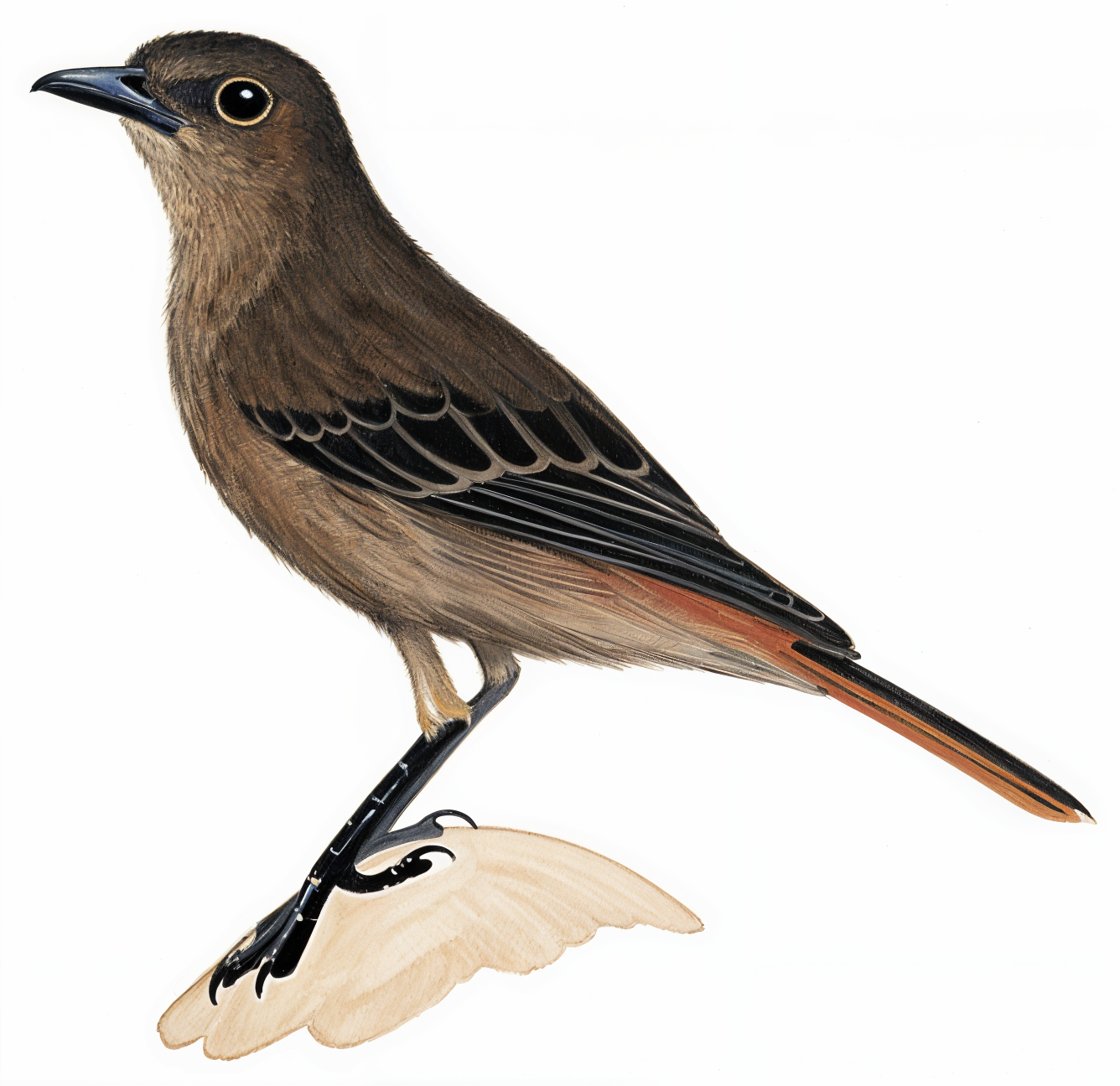
Rocky ground and farmyards. Dark brown above, slightly paler below, rump rich chestnut-brown, tail same with black tip and central feathers.
Chats, Robins, Thrushes
LC
Not Endemic
Familiar Chat AI

Description

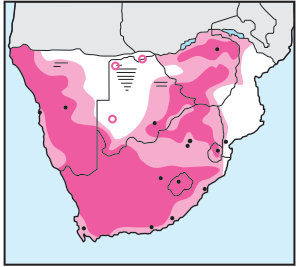
Common resident. A tame, rather nondescript small chat. Best recognised by its habit of repeatedly flicking its wings when landing or when hopping on the ground (like some other chats and Spotted Flycatcher), in combination with its striking rufous or orange rump and tail panels. Very similar to [Sickle-winged Chat], but edges of wing-feathers buffy and less obvious, tail pattern different, less contrast between upper parts and underparts and legs shorter. More dependent on rocky ground than [Sickle-winged Chat], but also occurs around stone walls and outbuildings on farms. Southern and eastern races (a) darkest and largest; Namibian race (b) palest and smallest. Tail deep rufous with dark central feathers and subterminal band. Immature told from immature of Sickle-winged Chat only by tail pattern. Frequently utters a characteristic ‘feeu… chak-chak’ and less often sings a soft, warbling song.

Quick Facts

size

Size

15 cm - S

behaviour

Names

A: Gewone Spekvreter
Z: umBexe
Ss: Letleretsane-La-Masaka
G: Rostschwanzschmätzer, Rostschwanz

Bird Family

Largely terrestrial, insectivorous or frugivorous birds that sing from trees, some robins rating as among our finest songsters. The sexes are alike unless otherwise stated, while immatures usually have the feathers of the upperparts pale-edged, the underparts spotted.


Dark Brown
Rocky Areas

Distribution

Gallery

behaviour

Behaviour

Breeding

Breeding

Habitat

Habitat

More dependent on rocky ground than [Sickle-winged Chat], but also occurs around stone walls and outbuildings on farms.


behaviour

Best Locations

0 Cart