

European Honey-Buzzard

Pernis apivorus

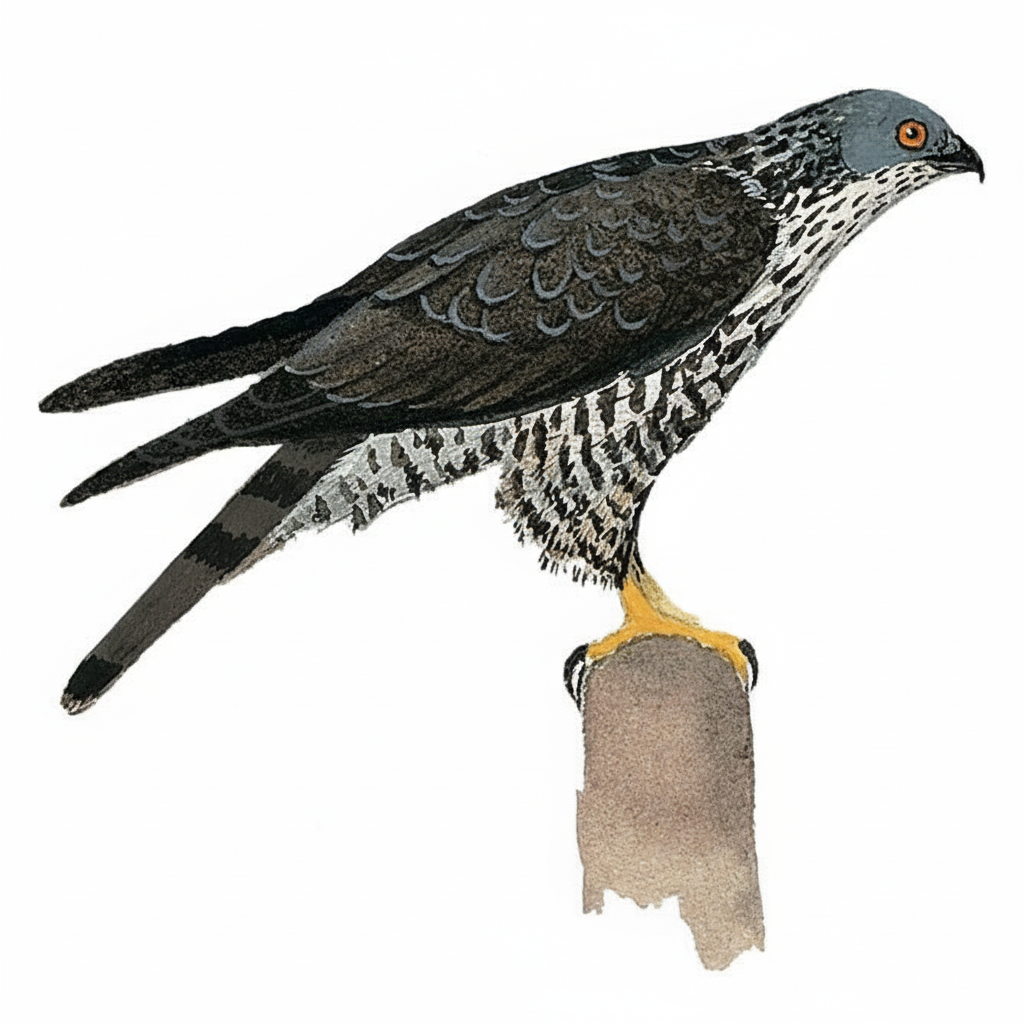
Woodland. Dark brown above with greyish head; below variable: dark brown, spotted brown on white or buff (immature); underwings well barred.
Buzzards
LC
Not Endemic
European honey buzzard adj

Description

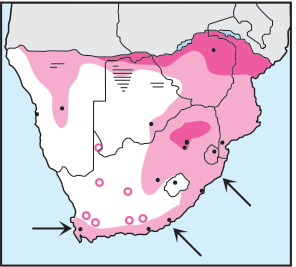
Fairly common summer visitor. Slightly larger than [Common Buzzard] but could be mistaken for it. Plumage very variable; (a) probably most common, while dark morph (b) and paler morph occur. Appears smaller-headed than [Common Buzzard] , with longer tail and yellow or orange (not brown) eyes. In flight, head is kept well forward of the long wings; underwings have dark carpal patches and five primary flight ‘fingers’ , the tail two dark central and one terminal band. Immature lacks distinct tail-bands; has brown eyes. Prefers wooded country (including suburbia) and may walk about the ground in search of wasps’ and bees’ its primary food are larvae , also small mammals and frogs and birds. Breeding in central and eastern Europe, migrating to central Africa, becoming more common in the southern African region possibly due to habitat degradation of previous areas. 0,4-1 kg.

Quick Facts

size

Size

54-60 cm - L

behaviour

Names

A: Wespedief
Z: umanyovini
Ss: Lejanotshi
G: Wespenbussard

Bird Family

Large, soaring hawks about the size of a small eagle. They are robustly built with fairly large, rounded heads, small aquiline bills, large ceres, unfeathered lower legs and moderately long and rounded wings. Their tails appear rounded when spread.


Dark Brown
Savanna Bushveld

Distribution

Gallery

behaviour

Behaviour

Breeding

Breeding

Habitat

Habitat

behaviour

Best Locations

0 Cart