

Common Tern

Sterna hirundo

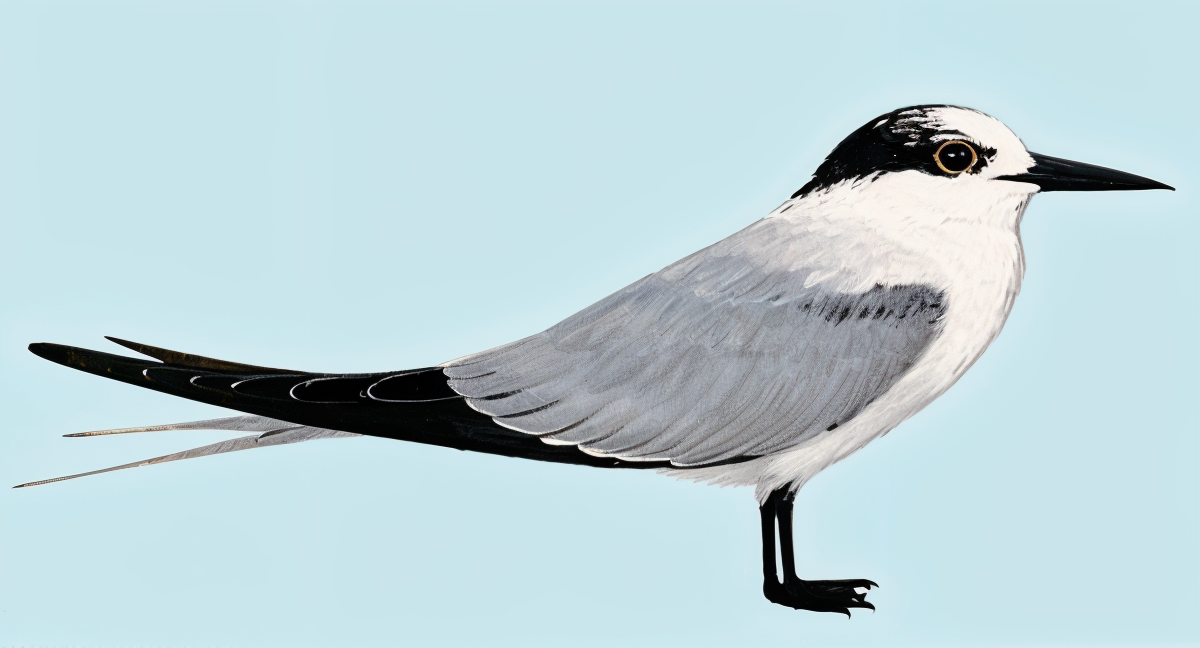
A common summer costal Tern found in non-breeding plumage. Grey above, white below. Antarctic Tern is larger than with dark red bill. .
Terns
LC
Not Endemic
Common Tern AI

Description

Abundant summer visitor. Distinguished from [Arctic Tern] and [Antarctic Tern] by longer bill and, at rest, noticeably longer legs; in flight in non-breeding plumage by grey rump and tail (not white), and by only the inner primaries appearing translucent. In breeding plumage, red bill has black tip. Occurs in thousands offshore, roosting in estuaries and on beaches.

Quick Facts

size

Size

35 -38 cm - M

behaviour

Names

A: Gewone Sterretjie
Z: unontenteza
Ss: Lepheulane La Hlapi
G: Flußseeschwalbe

Bird Family

More slender, more agile than gulls and, in most species, with deeply forked tails. The majority feed at sea, plunge-diving for fish. A few, such as the marsh terns, feed mainly on insects caught in dipping flight or plucked from the surface of inland ponds, lakes and rivers. Calls are mostly similar and rather nondescript, typically ‘kee-vit' or ‘krit'.


Grey
Coastal

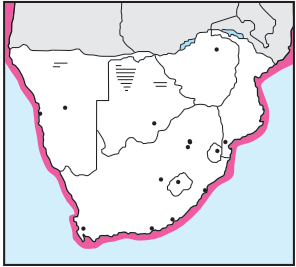
Distribution

Gallery

Common Tern AI
behaviour

Behaviour

Breeding

Breeding

Habitat

Habitat

Occurs in thousands offshore, roosting in estuaries and on beaches.

behaviour

Best Locations

0 Cart