
Brown-backed Honeybird

Prodotiscus regulus

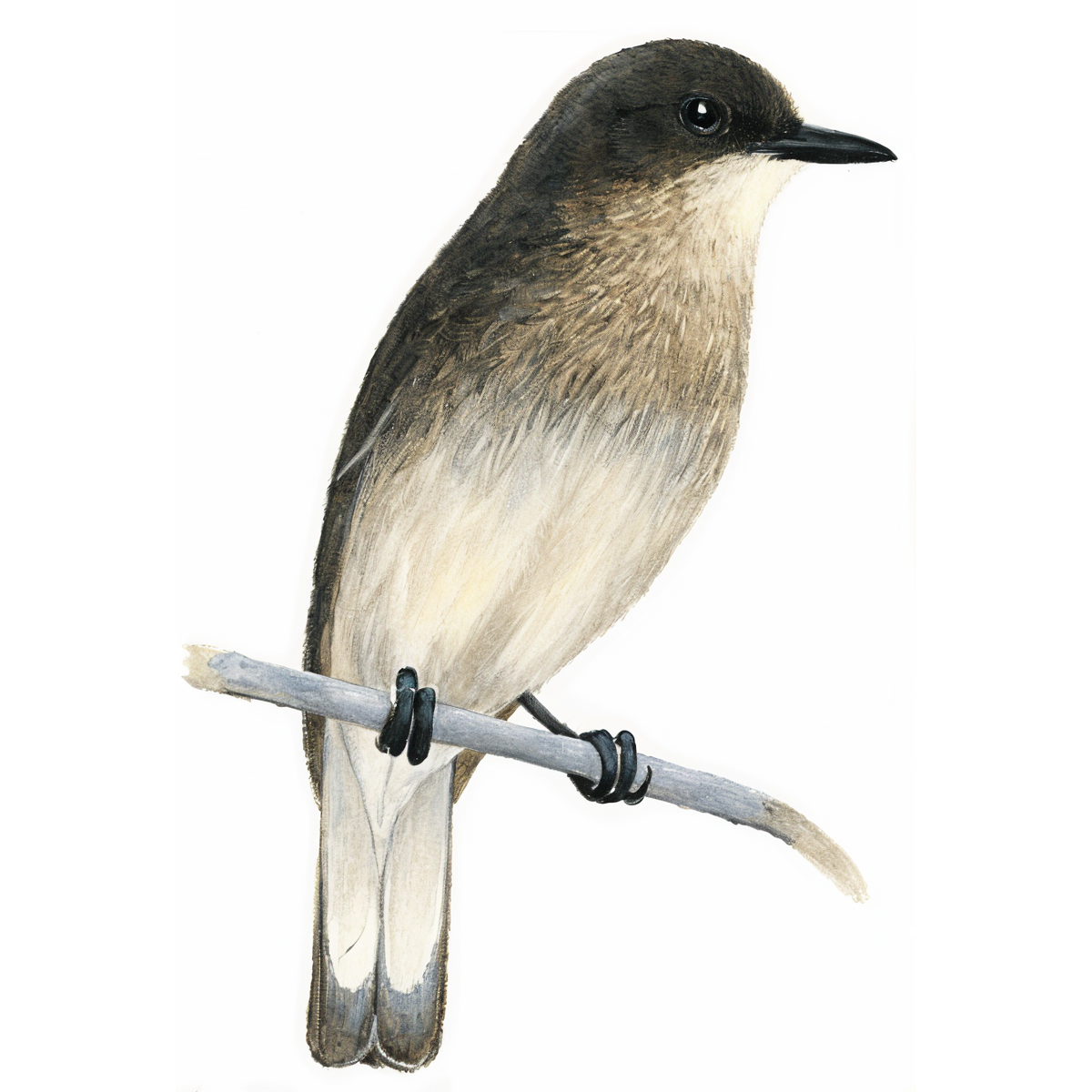
Wooded regions. Small; dark brown above with white outer tail feathers; below white with dusky breast; bill black.
Honeybirds, Honeyguides
LC
Not Endemic
Brown-backed Honeybird

Description

Uncommon resident. Told from [Green-backed Honeybird] by brown (not greenish) upper parts and white throat. A rather small, nondescript species. Usually seen only during high-speed aerial display flights: two birds chase each other around while uttering a high-pitched, insect-like ‘tseet’ note. Also has a thin, trilling call note ‘tirrrrrrrr…’, lasting about four seconds. Often perches high in a tree and peers slowly from side to side while bobbing its head up and down prior to calling. Hawks insects from a tree perch, displaying the white patches on the sides of the rump and brown-tipped, white outer tail-feathers. Occurs singly in open bushveld, plantations and suburbia.

Quick Facts

size

Size

13 cm - S

behaviour

Names

A: Skerpbekheuningvoël
Z: unomtsheketche
Ss: Modisadinotshi Wa Mokokotlosootho
G: Schmalschnabel-Honiganzeiger

Bird Family

Small, inconspicuous birds that show white outer tail-feathers in flight. Some species have distinctive calls and regular call-sites; others have weak, sibilant calls, which are seldom heard. They are mostly insectivorous, but a few species have developed the habit of leading people to wild bees' nests (as suggested by their genus name, *Indicator*) by continually chattering and fluttering conspicuously in the desired direction. When the bees' nest is broken open, the honeyguide feeds on the wax and grubs. Like cuckoos, they build no nests but parasitise various other small birds. The smaller species of the genus *Prodotiscus* are now called honeybirds.


Dark Brown
Savanna Bushveld

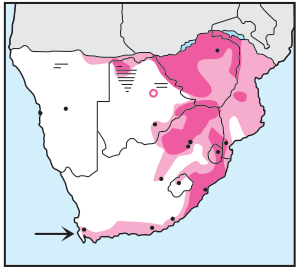
Distribution

Gallery

behaviour

Behaviour

Breeding

Breeding

Habitat

Habitat

Occurs singly in open bushveld, plantations and suburbia.

behaviour

Best Locations

0 Cart