

African Scops Owl

Otus senegalensis

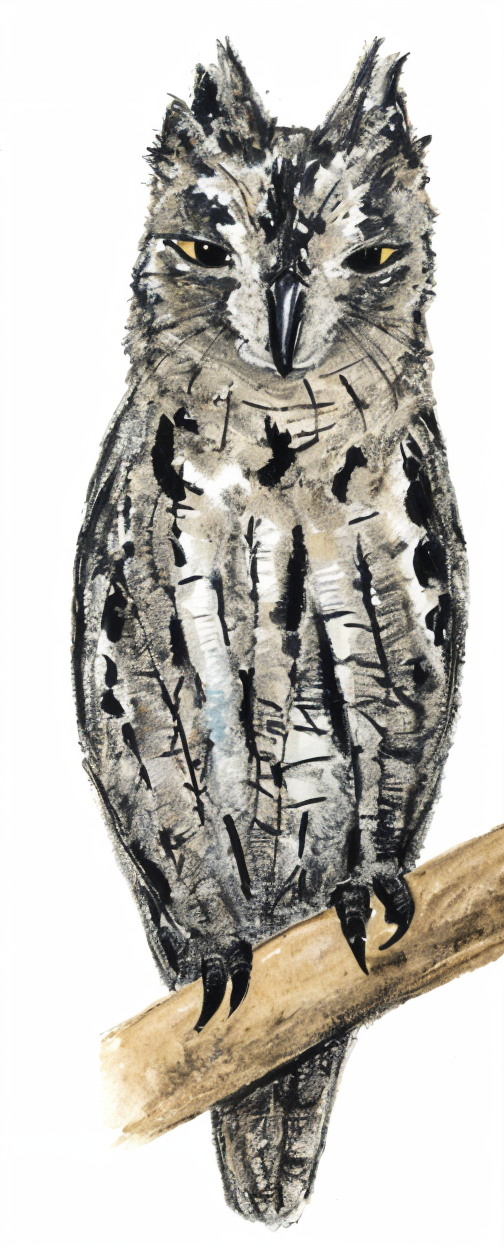
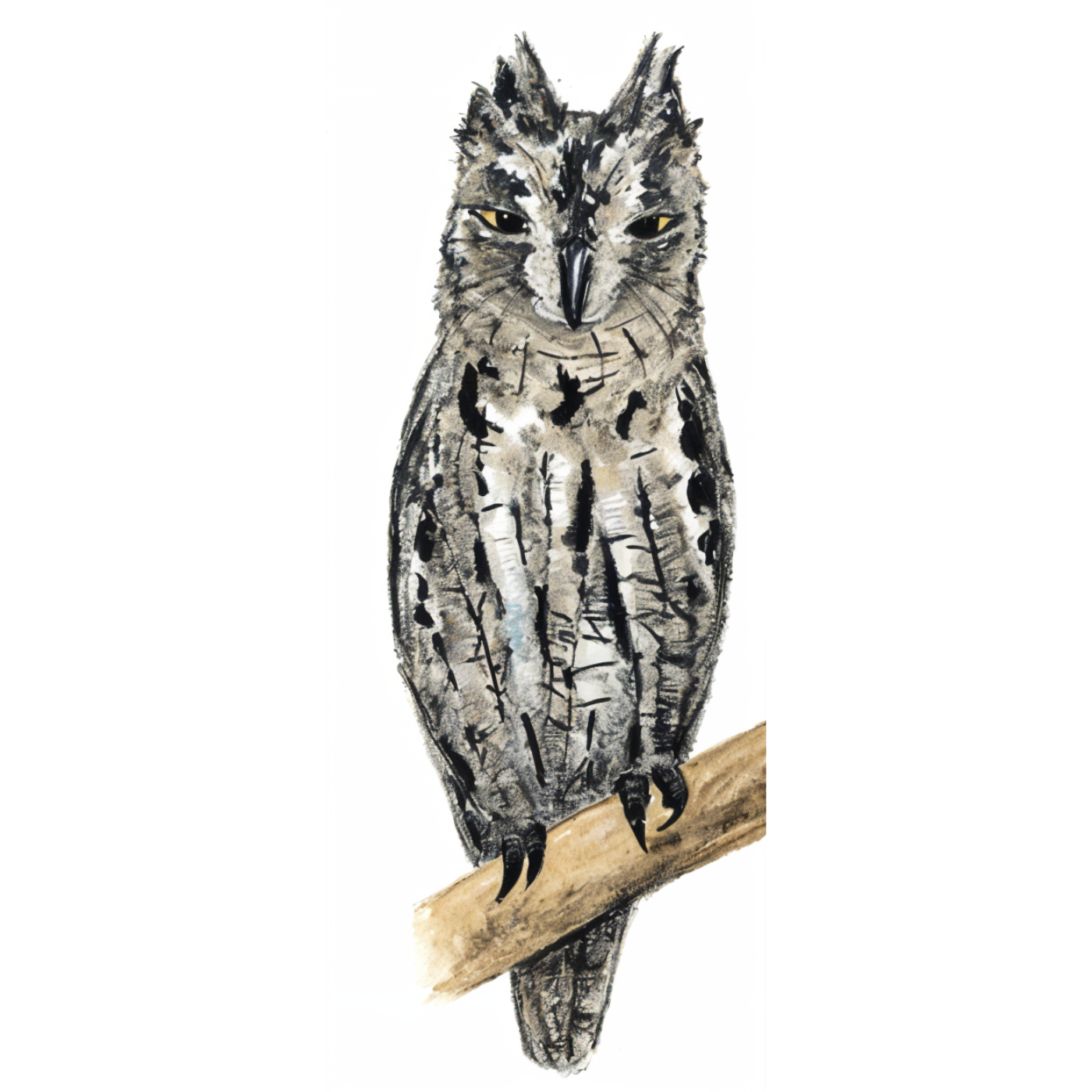
Mixed bushveld. Woodbark camouflage; very mottled grey-brown colour, with flecks of white and black; small ear tufts.
Owls
LC
Not Endemic
African Scops Owl

Description

Common resident. The plumage resembles tree-bark, the grey morph (a) being commoner than the brown (b). The only very small owl with ear-tufts. Calls mostly at night, sometimes by day, a soft ‘prrrrp’ repeated at about 10-second intervals. Occurs singly or in pairs in any woodland and mixed bushveld. By day perches in a tree, close to the trunk, where its cryptic colouring makes detection difficult. This camouflage is further enhanced by its habit of depressing its feathers to appear long and thin, raising its ear-tufts and half-closing its eyes, creating the illusion of a tree stump; see (a).

Quick Facts

size

Size

15-18 cm - S

behaviour

Names

A: Skopsuil
Z: umadletshana
Ss: Makgohlwana
G: Afrikanische Zwergohreule

Bird Family

Nocturnal, erect-standing birds of prey characterised by large, rounded heads, large forward-facing eyes set in a flattened face and feathered legs (except for Pel's Fishing-Owl). Some have feather adornments on their heads that resemble ears, but they are not used for hearing. Immatures are usually darker and fluffier than adults.


Dark Brown
Savanna Bushveld

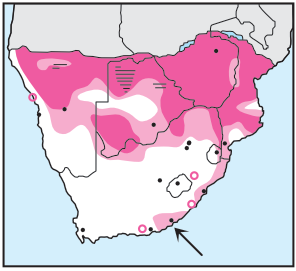
Distribution

Gallery

behaviour

Behaviour

Breeding

Breeding

Habitat

Habitat

Occurs singly or in pairs in any woodland and mixed bushveld.

behaviour

Best Locations

0 Cart