
20 cm - M
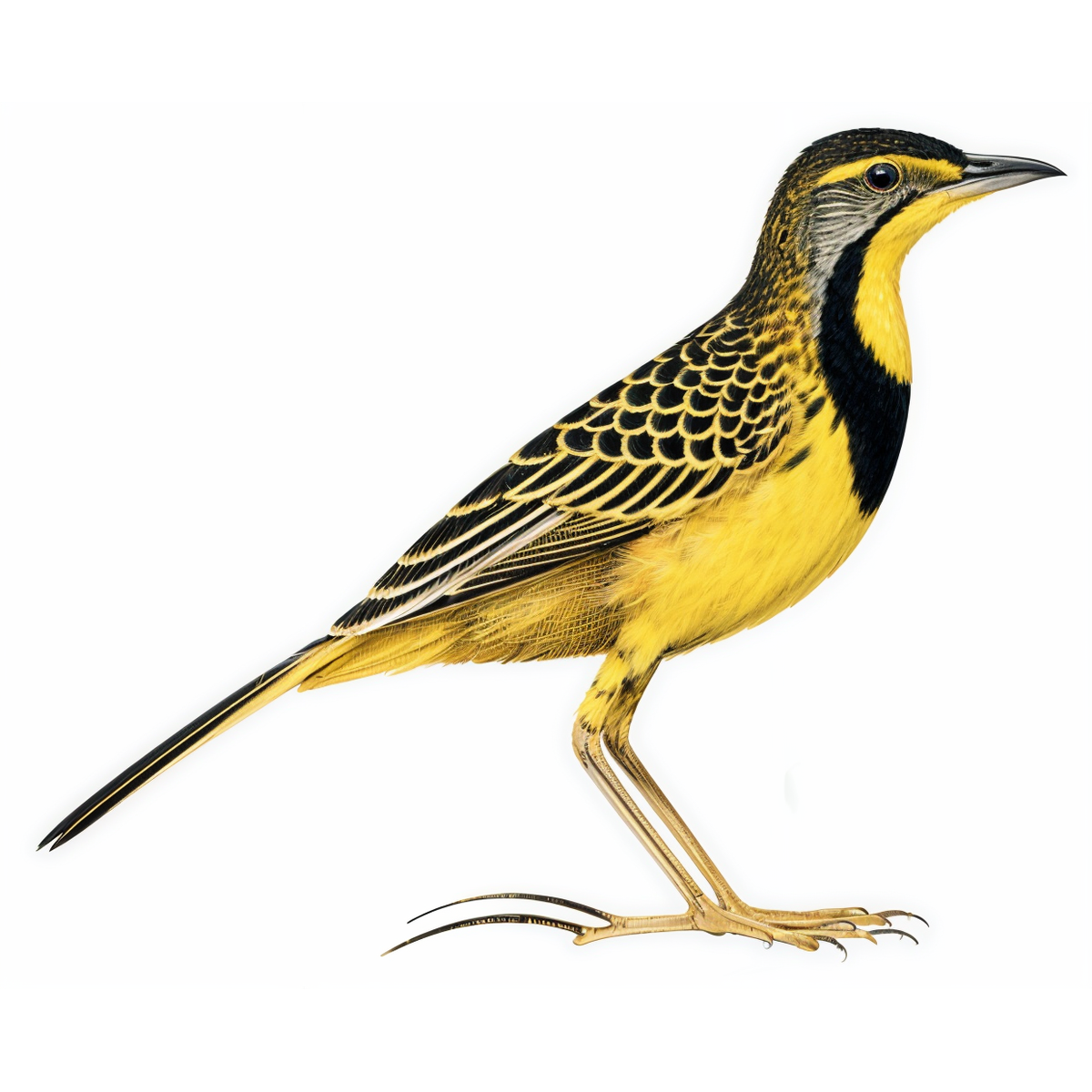
A: Geelkeelkalkoentjie
Z: itoyiya
G: Gelbkehlgroßsporn, Safrangroßsporn

Small, insectivorous terrestrial birds, water-associated in wagtails. The sexes are alike or closely similar, all with white or buff outer tail-feathers. Pipits are among the most difficult birds to identify in the field. Reliable identification relies on careful observation of the coloration of bare parts (influenced by blood circulation), as well as proportions, calls, tail-wagging, behaviour and subtle plumage differences. Nevertheless, it is often impossible to confidently identify pipits to species level. Most pipits utter a ‘chissik' or ‘chip' call on take-off, their flight low and dipping. Longclaws are large, colourful pipits, while wagtails are mostly well known because of their confiding and friendly behaviour. Wagtails (and many pipits) have the habit of continually bobbing their tails up and down.


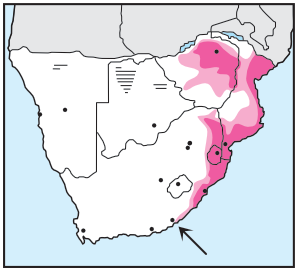

Occurs singly or in pairs in moist 'grassland' with scattered trees.