

Wire-tailed Swallow

Hirundo smithii

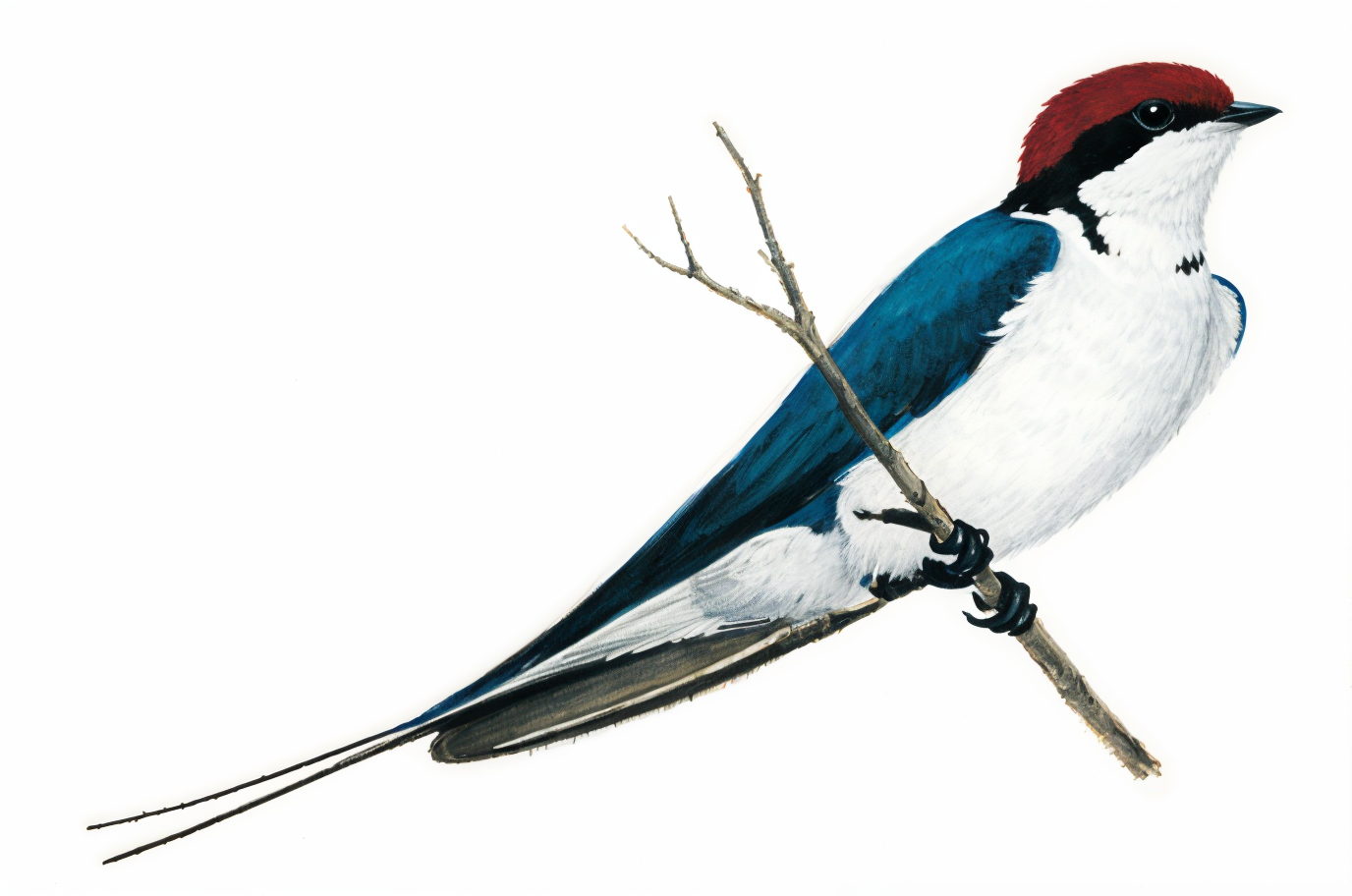
Rivers. Above metallic blue; cap orange; below white; long tail streamers.
Swallows
LC
Not Endemic

Description

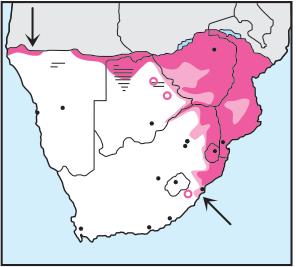
Fairly common wetland resident. Told by full orange cap, entirely white underparts (except for narrow darker line on lower flanks) and wire-like tail-shafts (difficult to see when flying). The call is a twittering ‘chirrik-weet’ repeated from a perch and ‘chit-chit’ while flying. Pairs, sometimes small groups, are found near river bridges, dam walls, river gorges and buildings; seldom far from water. Perches on dead trees in water and on bridge rails; settles on the road surface of bridges and causeways.

Quick Facts

size

Size

13 cm - S

behaviour

Names

A: Draadstertswael
Z: iNkonjanesileside
G: Rotkappenschwalbe

Bird Family

Small, long-winged, aerial-feeding birds. Swallows have mostly glossy-blue upperparts (some with rufous caps) and whitish, rufous or streaked underparts; the blackish saw-wing swallows are an exception. Saw-wings have rough, saw-like leading edges to their primary feathers (not apparent in the field). In all species, immatures are duller than adults. They build nests with mud pellets or burrow tunnels in banks or cliffs; they drink and bathe in flight by skimming the surface of still water, and perch to rest. For comparison, see swifts.


Blue
Aerial

Distribution

Gallery

behaviour

Behaviour

Breeding

Breeding

Habitat

Habitat

Pairs, sometimes small groups, are found near river bridges, dam walls, river gorges and buildings; seldom far from water.


behaviour

Best Locations

0 Cart