

Western Cattle Egret

Bubulcus ibis

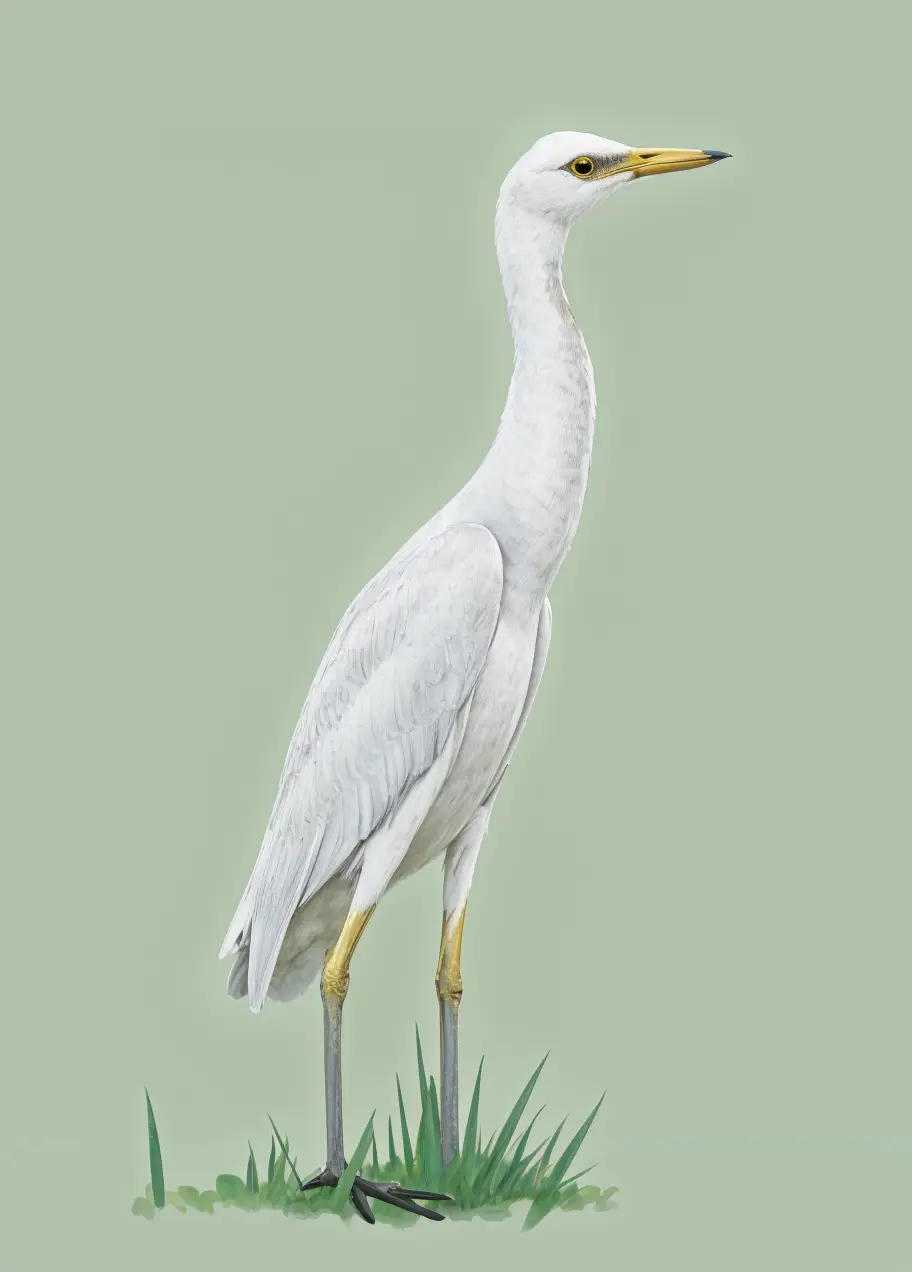
Pastures and mixed grasslands. All white except in ­summer when buff on head, neck and back. Bill, legs yellow to pink.
Bitterns, Egrets, Herons
LC
Not Endemic
Western Cattle Egret Newman's Birds

Description

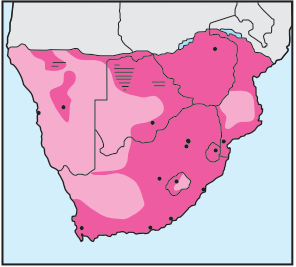
Very common resident, with numbers increasing in summer when resident birds are augmented by a migratory influx from central Africa. Buff plumes present on the head, back and breast of breeding adults from October to March only. Bill short and yellow (coral when breeding); legs the same. Feet are dusky. Immature differs from [Little Egret] in smaller size, shorter, thicker neck and black feet. Flocks of varying sizes attend grazing cattle or wild animals (especially buffaloes) in reserves. Flies to and from regular roosts mornings and evenings. Large numbers breed in reeds or in trees over water; may rest on shorelines but seldom feed in water.

Quick Facts

size

Size

54 cm - L

behaviour

Names

A: Veereier
Z: iLanda
Ss: Leholotsiane le leholo

Bird Family

Water-associated birds with long bills and necks and long legs. When breeding, many species have long, filamentous plumes on their back or lower breast (or both), while others have more or less permanent long plumes on their napes. In flight, they tuck their heads into their shoulders, thus differing from storks, ibises and cranes. They seldom soar. Many herons are solitary in habit and secretive; others are gregarious and seen more frequently. Most perch in trees and nest in trees or reeds, or even on the ground. All have harsh, squawking voices heard mostly when flushed. Four comparative silhouettes represent (a): Dwarf Bittern; (b): Squacco Heron; (c): Little Egret; and (d): Grey Heron.


White
Wetlands

Distribution

Gallery

Western Cattle Egret Newman's Birds
behaviour

Behaviour

Breeding

Breeding

Habitat

Habitat

behaviour

Best Locations

0 Cart