

Squacco Heron

Ardeola ralloides

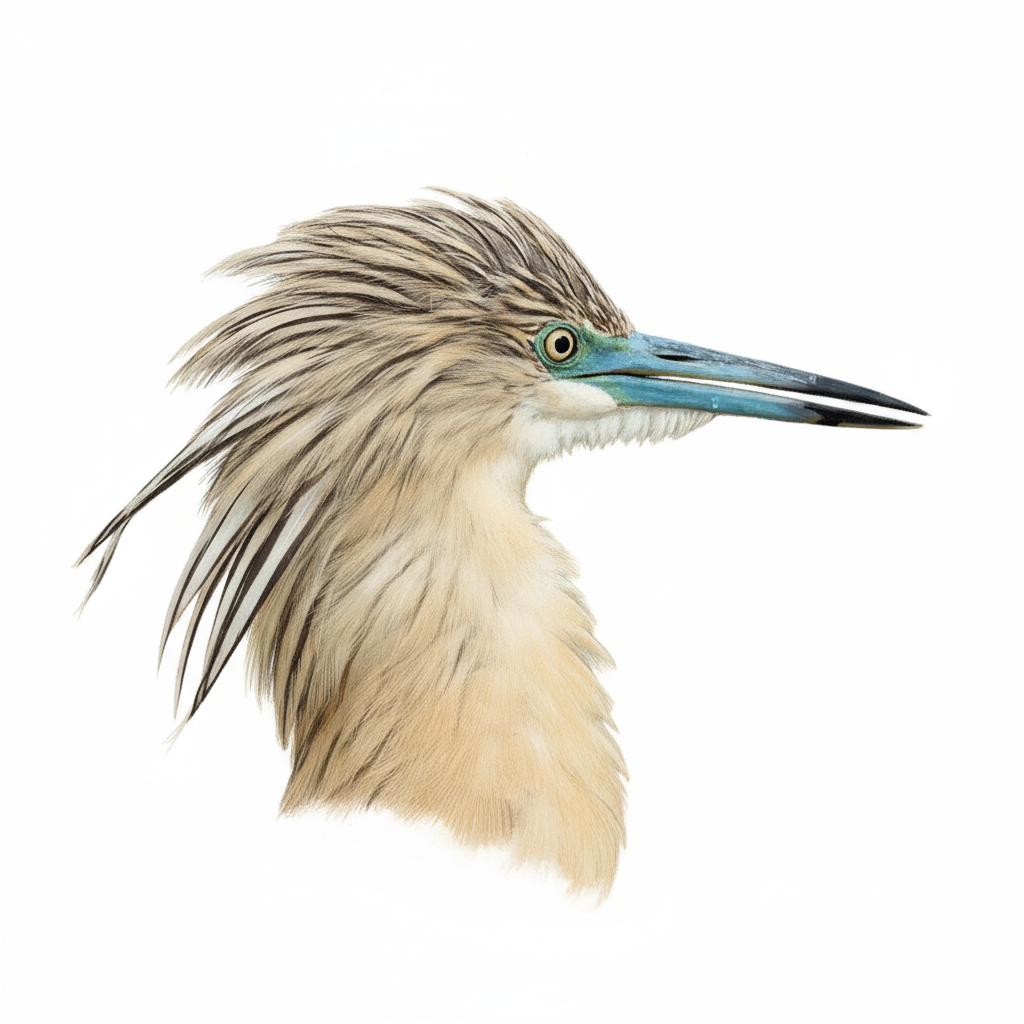
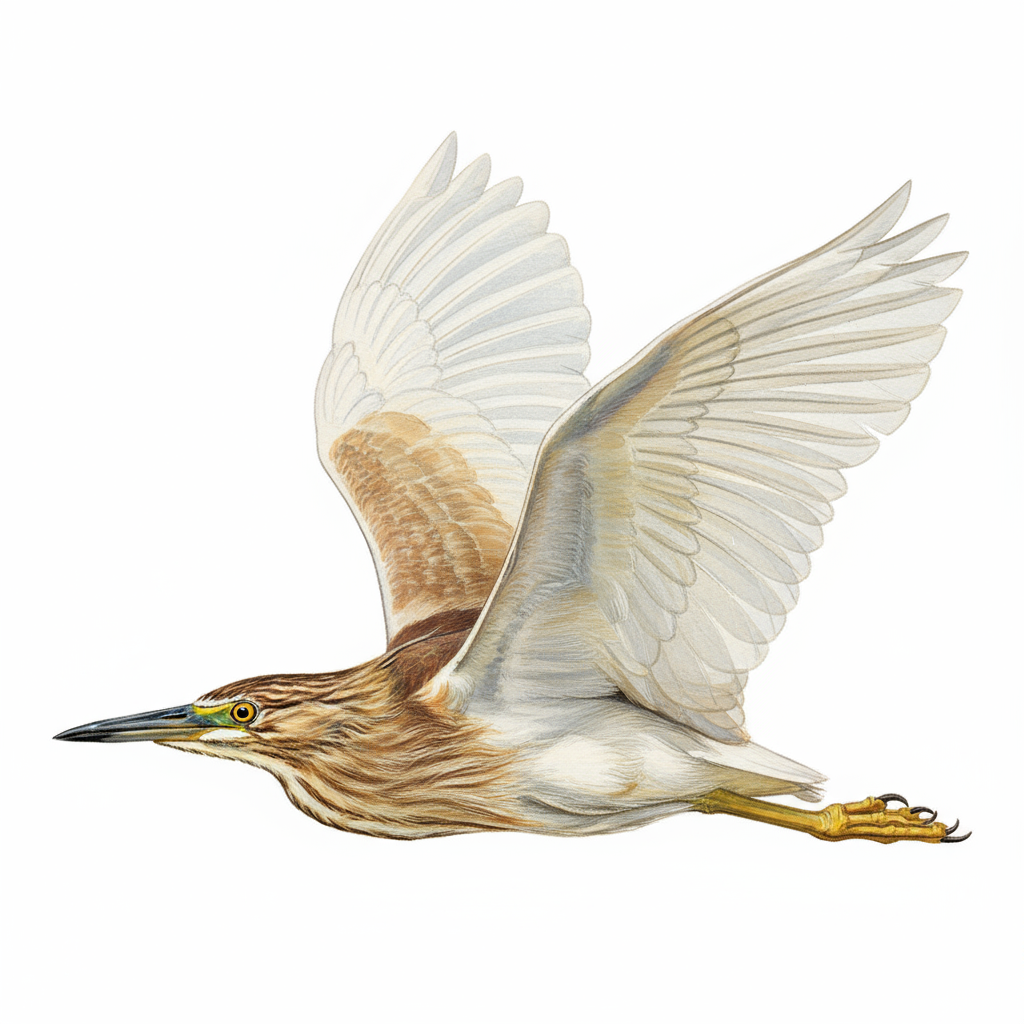
Wetlands. In breeding plumage upperparts pale red-brown; non-breeding plumage pale tawny-brown; below and in flight white.
Bitterns, Egrets, Herons
LC
Not Endemic
Squacco Heron Newman's Birds

Description

Common to very common resident. In non-breeding plumage differs from [Malagasy Pond-Heron] in paler, less contrasting upper parts, yellowish bill and blackish culmen. Legs normally pale yellow but pinkish red for a few days when breeding. Young birds can be quite dark above and have broader neck streaks; appear very similar to Malagasy Pond-Heron. In flight looks like a white egret unless biscuit-coloured or pale orange upper parts are visible. Solitary at lakes, lagoons, marshes, sewage ponds and streams.

Quick Facts

size

Size

43 cm - L

behaviour

Names

A: Ralreier
Z: umacuthomhlope
Ss: Kokolofitwe Ya Molomotalalehodimo
G: Rallenreiher

Bird Family

Water-associated birds with long bills and necks and long legs. When breeding, many species have long, filamentous plumes on their back or lower breast (or both), while others have more or less permanent long plumes on their napes. In flight, they tuck their heads into their shoulders, thus differing from storks, ibises and cranes. They seldom soar. Many herons are solitary in habit and secretive; others are gregarious and seen more frequently. Most perch in trees and nest in trees or reeds, or even on the ground. All have harsh, squawking voices heard mostly when flushed. Four comparative silhouettes represent (a): Dwarf Bittern; (b): Squacco Heron; (c): Little Egret; and (d): Grey Heron.

Light Brown
Wetlands

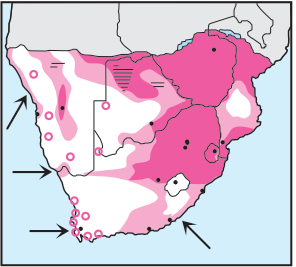
Distribution

Gallery

Squacco Heron Newman's Birds
behaviour

Behaviour

Breeding

Breeding

Habitat

Habitat

behaviour

Best Locations

0 Cart