

Rock Kestrel

Falco rupicolus

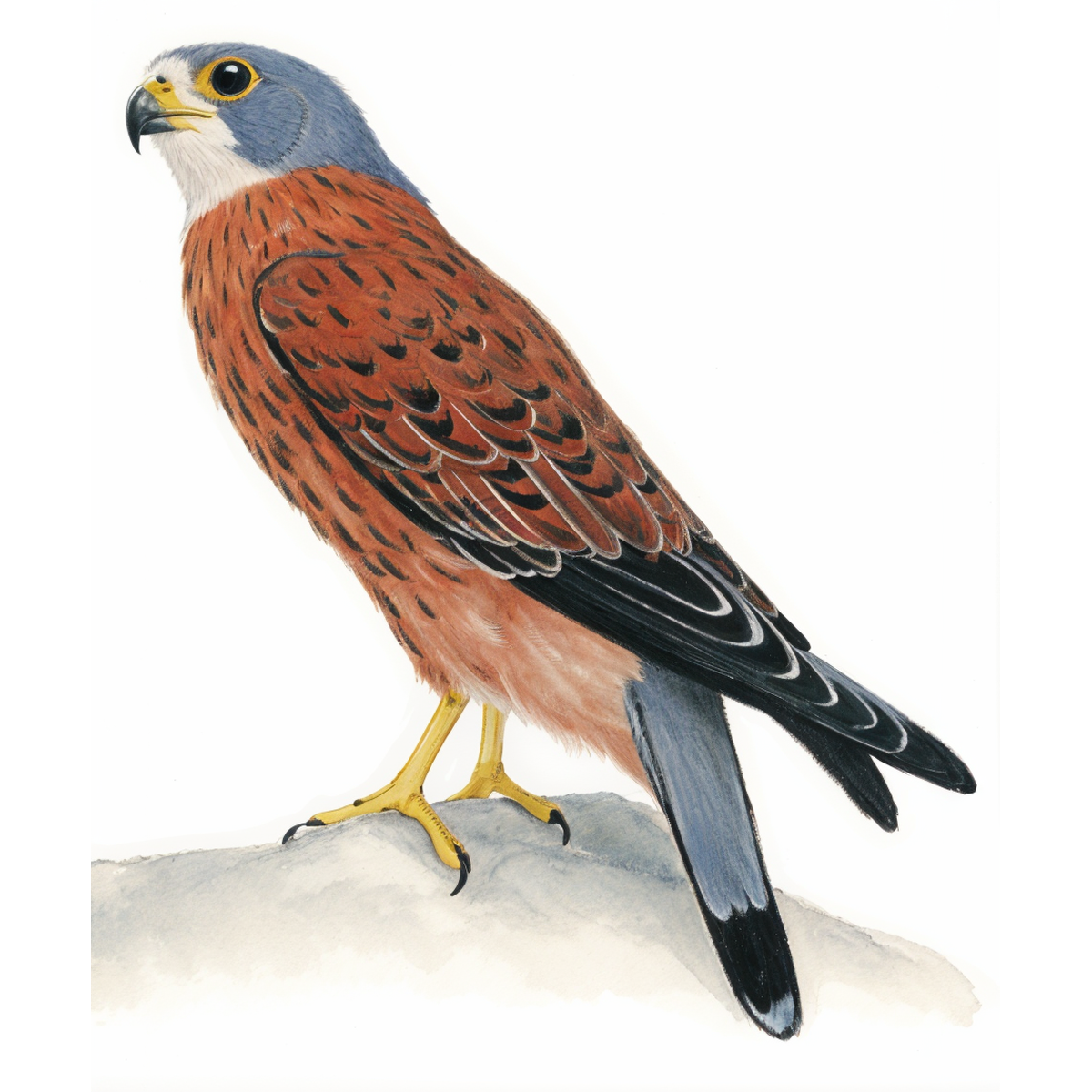
Hills and grasslands. Grey head; rufous upperwings and underparts; upper tail grey; well-barred in female, single bar in male.
Falcons, Kestrels
LC
Not Endemic
Rock Kestrel Newman's birds

Description

Common resident. Female may or may not have grey head; sometimes like immature with head the same colour as rest of plumage, but heavily streaked dark brown. Differs from [Lesser Kestrel] mainly in lack of contrast between upper- and underparts, more robust shape, and behaviour. Occurs singly or in pairs (not flocks) in hilly country and grassland. Perches on roadside posts or flies 5–20 m above ground, frequently turning into wind and hovering. Cf. [Black-winged (Black-shouldered) Kite], the only other small raptor that regularly hovers. Roosts on cliffs or in trees.

Quick Facts

size

Size

30-33 cm - M

behaviour

Names

A: Kransvalk
Z: uMathebethebana wamadwala
Ss: Phakwe Ya Lefika
G: Turmfalke

Bird Family

Small raptors characterised by pointed wings and, usually, prominent ‘sideburns'. Females are larger than males. Falcons are aerial hunters, typically seizing smaller birds in a rapid dive from above. Characteristic calls are high-pitched ‘kek-kek-kek-kek' sounds, uttered when agitated. Kestrels are small falcons that eat insects caught in the air with their feet, or small mammals and reptiles caught on the ground. Their flight is more leisurely than that of true falcons.


Rufous
Rocky Areas

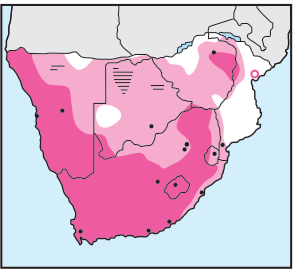
Distribution

Gallery

behaviour

Behaviour

Breeding

Breeding

Habitat

Habitat

Occurs singly or in pairs (not 'flocks') in hilly country and 'grassland'. Roosts on cliffs or in trees.


behaviour

Best Locations

0 Cart