
Osprey

Pandion haliaetus

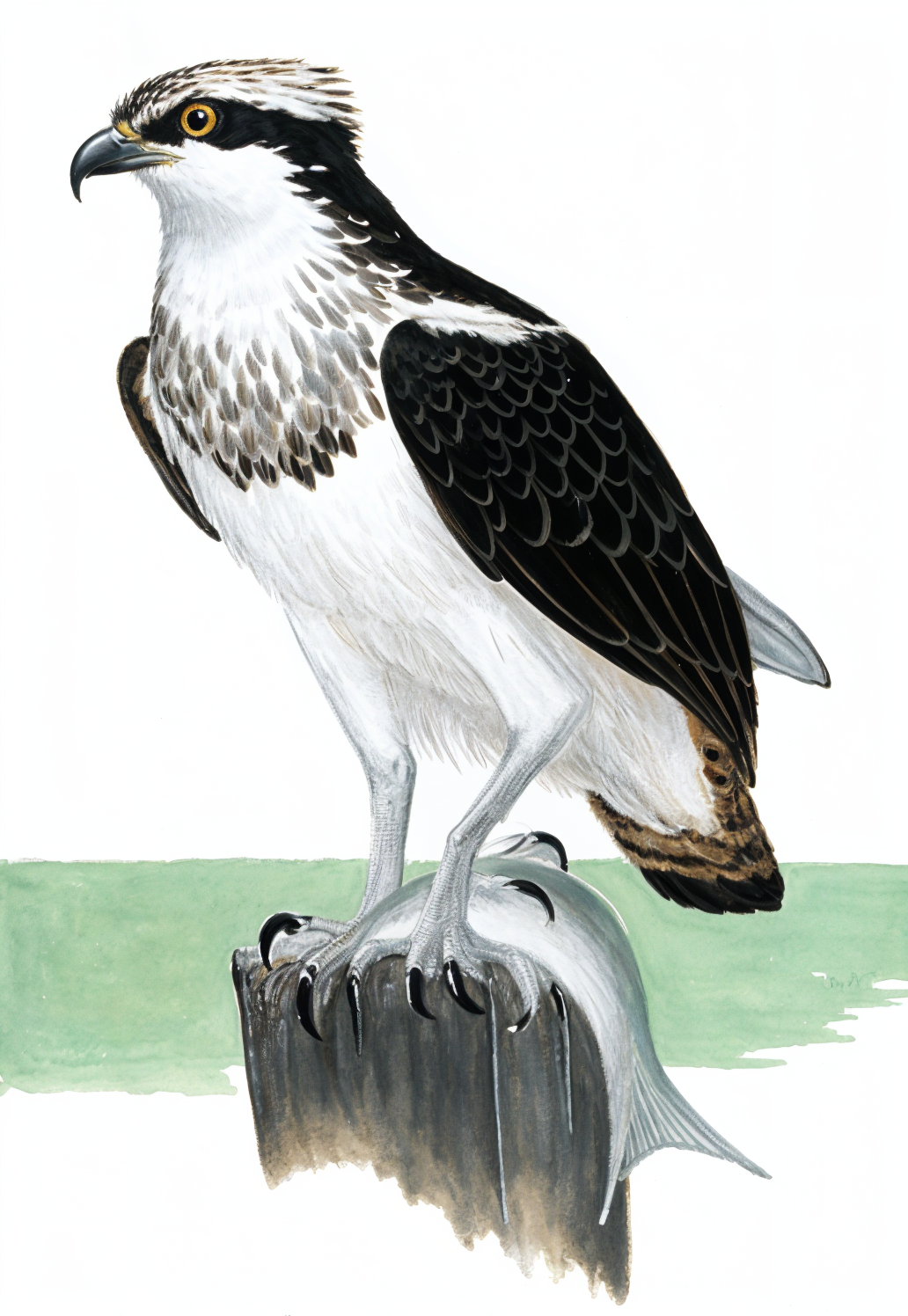
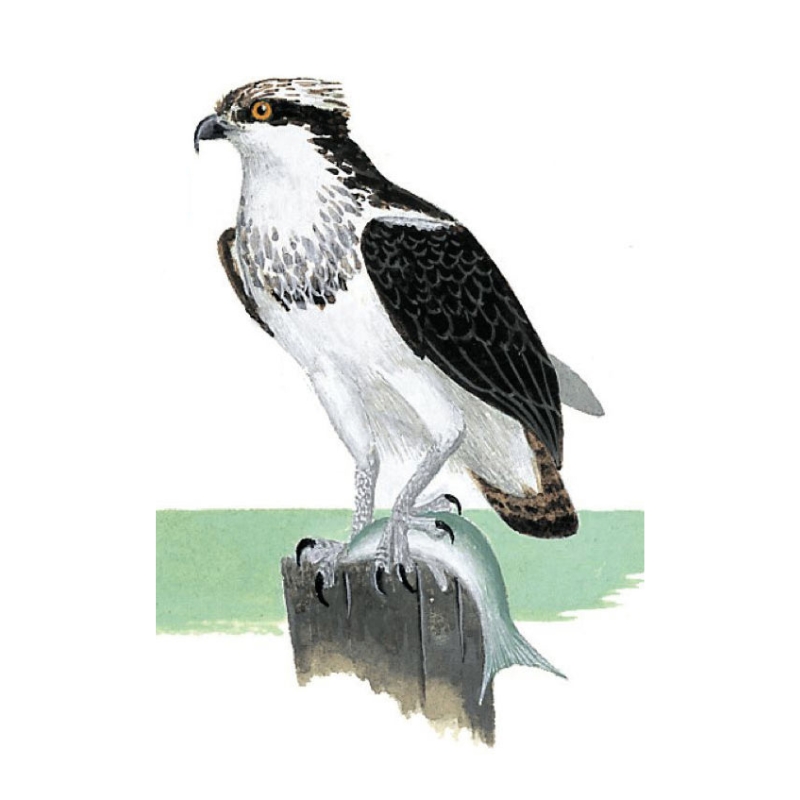
Inland waters and coastal lagoons. Dark above with facial mask; white below. White legs; long wings.
Hawks
LC
Not Endemic

Description

uncommon summer palearctic visitor, some overwintering . In waterside habitat most likely to be confused with immature [African Fish-Eagle]. Female larger than males. Slightly crested head, masked appearance and white underparts identify this large hawk at rest. Breast-band often vestigial; strongest in immatures. In flight appears large-winged and small-headed; underwing has bold, dark carpal patch and dark central bar; tail is well banded. Flies with wings bowed down in heavy wingbeats, recalling a gull. Normally silent but call is a shrill whistle sound. Spends much of the day perched over or near water on a post, branch or rock. Hunts over water, flying slowly with shallow, loose wing beats, occasionally hovering briefly; plunge-dives when catching fish. High success rate of 1 in 4 attempts. Has a reversible outer toe allowing for two in the front and two at the back when plunging aiding the gripping of fish. Solitary at coastal bays, estuaries and lagoons or large inland waters. Several records of breeding attempts in the region. Has been noted to feed on small rodents and birds. 1,2-2 kg.

Quick Facts

size

Size

55-63 cm - L

behaviour

Names

A: Visvalk
Ss: Phakwehlapi
G: Fischadler

Bird Family

A group of specialised hunters, larger than most Sparrowhawks and Goshawk. As with that group their lower legs are unfeathered, and the females larger than the males. Typically remain silent and, with the exception of the African Harrier Hawk, fairly secretive, often remaining perched for most of the day.


Black & White
Wetlands

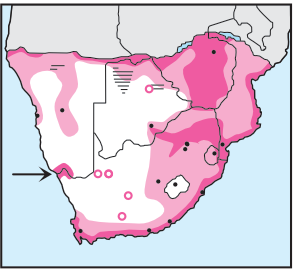
Distribution

Gallery

behaviour

Behaviour

Breeding

Breeding

Habitat

Habitat

behaviour

Best Locations

0 Cart