

Little Egret

Egretta garzetta

Wetlands. All white; black bill and legs;feet yellow.
Bitterns, Egrets, Herons
LC
Not Endemic
Little Egret AI

Description

Fairly common resident. Larger, longer-necked and more slenderly proportioned than[Western Cattle Egret]. Bill and legs longer and black; feet yellow. Head plumes normal in adults, breast-plumes and back-plumes briefly present when breeding. Immature lacks plumes. Solitary on quiet inland waters, estuaries and coastal pools; always near water. Stands quietly in shallows or walks forward slowly, stealthily hunting, occasionally darting forwards or doing a quick ‘dance’ when pursuing prey.

Quick Facts

size

Size

64 cm - L

behaviour

Names

A: Kleinwitreier
Z: ingeklencane
Ss: Leholotsiane Le Lenyenyane
G: Seidenreiher

Bird Family

Water-associated birds with long bills and necks and long legs. When breeding, many species have long, filamentous plumes on their back or lower breast (or both), while others have more or less permanent long plumes on their napes. In flight, they tuck their heads into their shoulders, thus differing from storks, ibises and cranes. They seldom soar. Many herons are solitary in habit and secretive; others are gregarious and seen more frequently. Most perch in trees and nest in trees or reeds, or even on the ground. All have harsh, squawking voices heard mostly when flushed. Four comparative silhouettes represent (a): Dwarf Bittern; (b): Squacco Heron; (c): Little Egret; and (d): Grey Heron.


White
Wetlands

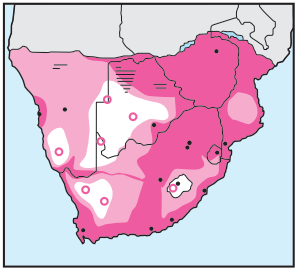
Distribution

Gallery

Little Egret AI
behaviour

Behaviour

Breeding

Breeding

Habitat

Habitat

behaviour

Best Locations

0 Cart