Grey-rumped Swallow

Pseudhirundo griseopyga

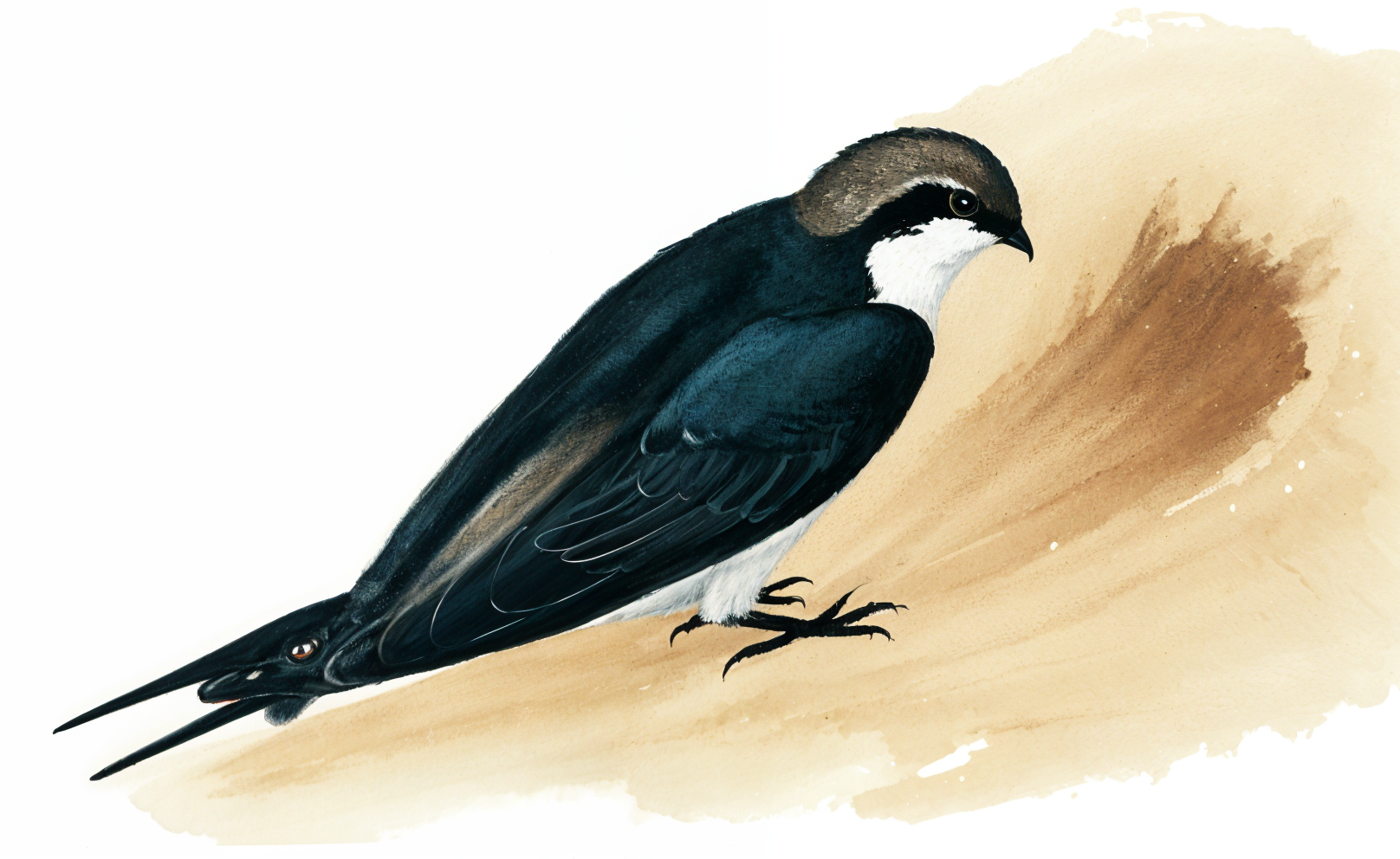
River banks and grassy slopes. Above metallic blue, except greyish cap and rump. Forked tail.
Swallows
LC
Not Endemic
Grey rumped Swallow AI

Description

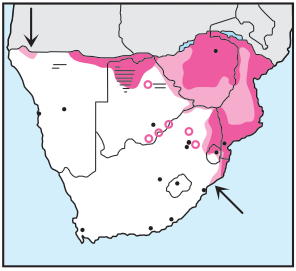
Locally common resident. Grey-brown cap and pale grey rump diagnostic, but cap not easily seen in flight. Rump may appear almost white; then told from[Common House Martin] by more deeply forked tail and slender appearance. Utters a grating ‘chaa’ in flight. Usually occurs in flocks in grassland within woodland, vleis, coastal plains and grassy riverbanks. Nests in ground burrows and may be seen flying in and out of these. Often more common in the winter months.

Quick Facts

size

Size

14 cm - S

behaviour

Names

A: Gryskruisswael
Z: inkonjanemqolomlotha
G: Graubürzelschwalbe

Bird Family

Small, long-winged, aerial-feeding birds. Swallows have mostly glossy-blue upperparts (some with rufous caps) and whitish, rufous or streaked underparts; the blackish saw-wing swallows are an exception. Saw-wings have rough, saw-like leading edges to their primary feathers (not apparent in the field). In all species, immatures are duller than adults. They build nests with mud pellets or burrow tunnels in banks or cliffs; they drink and bathe in flight by skimming the surface of still water, and perch to rest. For comparison, see swifts.

Blue
Aerial

Distribution

Gallery

Grey rumped Swallow AI
behaviour

Behaviour

Breeding

Breeding

Habitat

Habitat

Usually occurs in 'flocks' in 'grassland' within woodland, vleis, coastal plains and grassy riverbanks.

behaviour

Best Locations

0 Cart