

Barn Swallow

Hirundo rustica

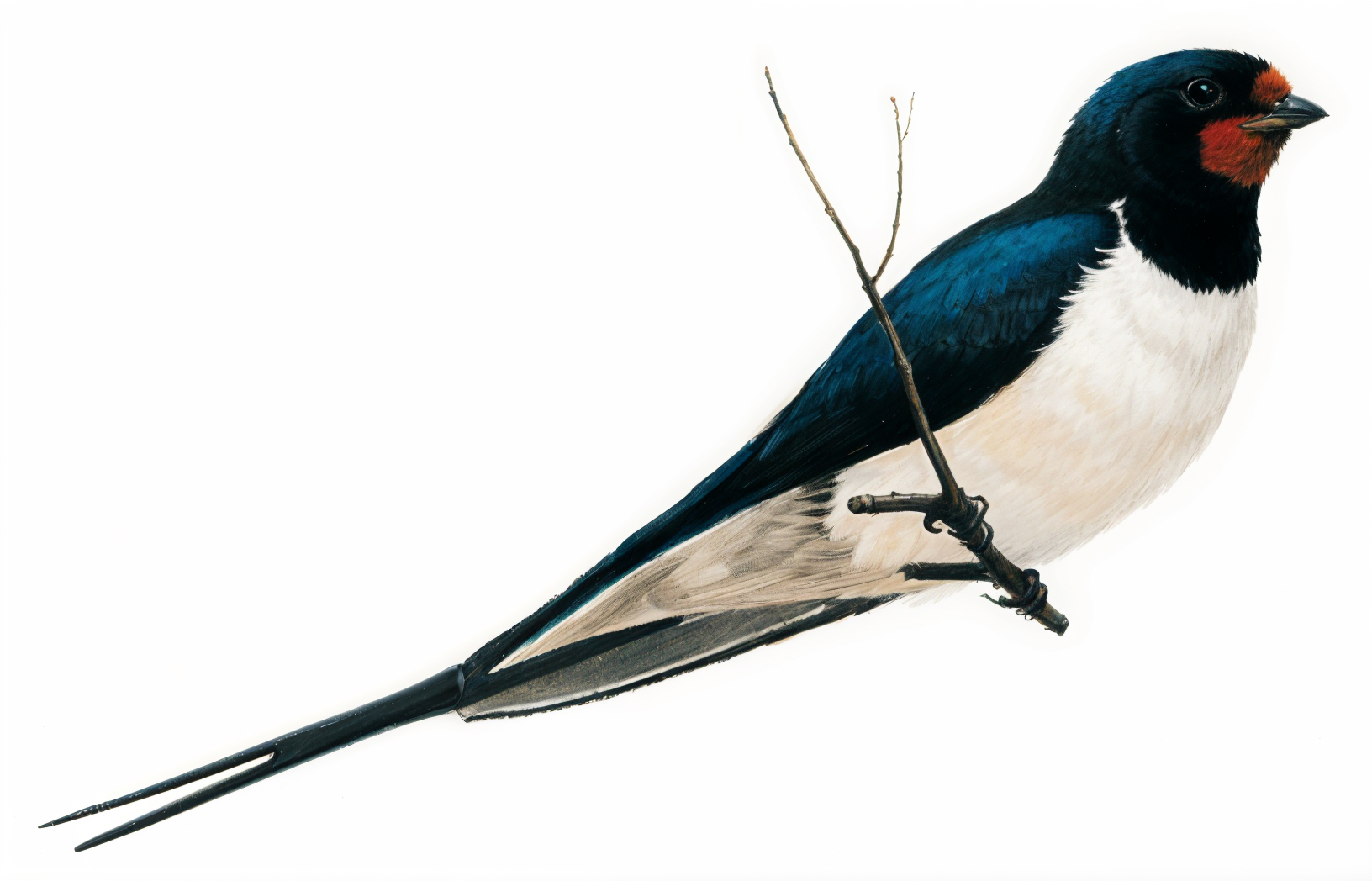
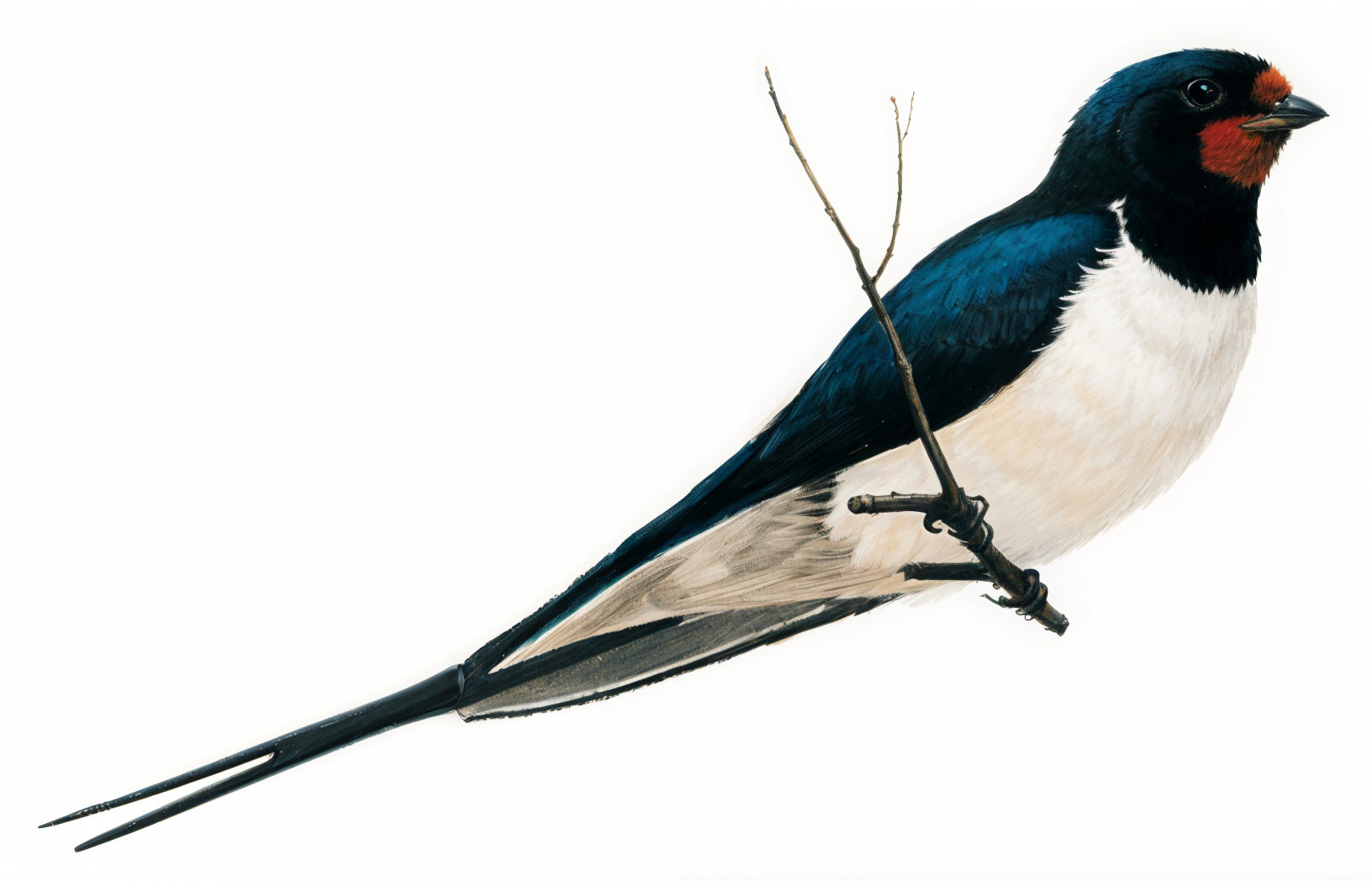
Aerial. Above metallic blue; forehead and chin orange; throat black; below white. Forked tail.
Swallows
LC
Not Endemic
Barn Swallow AI

Description

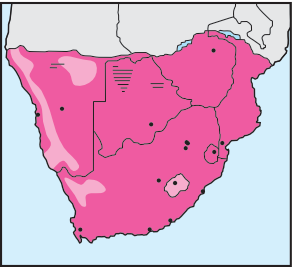
Abundant summer visitor. Told by chestnut chin and throat (looks all-dark at a distance). Moulting birds often without chestnut chin or long tail-shafts (Nov–Jan); immatures (common Oct–Dec) can show very pale throats; cf. [Common House Martin] and [Sand Martin]. Flocks utter a soft twittering sound, especially when settled. Most characteristic call is a soft ‘wheet’; males give a short warbling sequence followed by a wheezy ‘intake of breath’. Outnumbers all other swallows in summer, and mixes freely in flight with other swallows and with swifts over most habitats. Large flocks perch on telephone wires along roads and very large flocks gather to roost in reed beds.

Quick Facts

size

Size

18 cm - S

behaviour

Names

A: Europese Swael
Z: iNkonjane yaseYutobhu
Ss: Lepeolane
G: Rauchschwalbe

Bird Family

Small, long-winged, aerial-feeding birds. Swallows have mostly glossy-blue upperparts (some with rufous caps) and whitish, rufous or streaked underparts; the blackish saw-wing swallows are an exception. Saw-wings have rough, saw-like leading edges to their primary feathers (not apparent in the field). In all species, immatures are duller than adults. They build nests with mud pellets or burrow tunnels in banks or cliffs; they drink and bathe in flight by skimming the surface of still water, and perch to rest. For comparison, see swifts.


Collars & Breast Bands
Aerial

Distribution

Gallery

Barn Swallow AI
behaviour

Behaviour

Breeding

Breeding

Habitat

Habitat

behaviour

Best Locations

0 Cart