

Amur Falcon

Falco amurensis

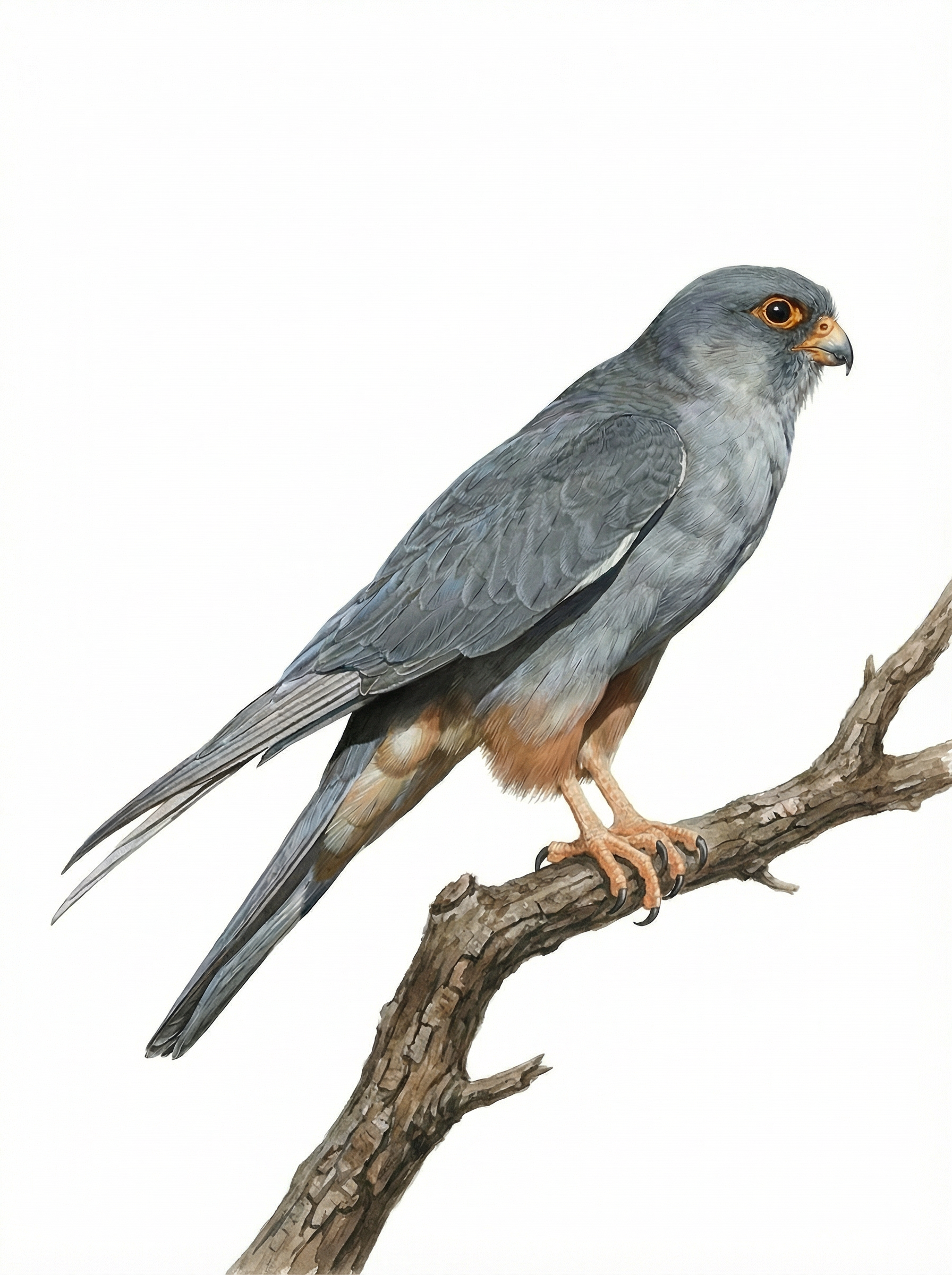
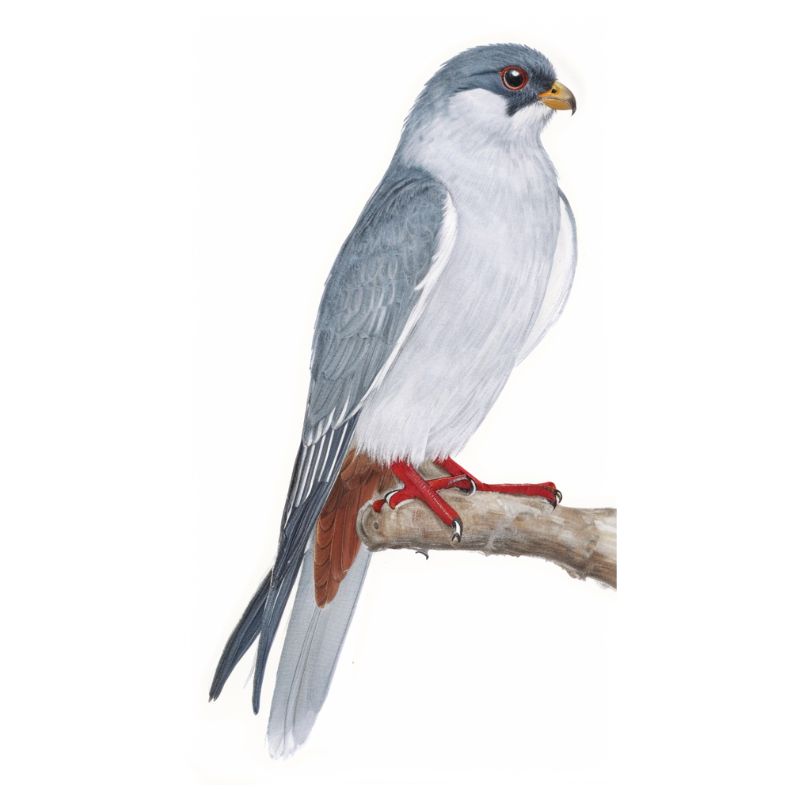
Grasslands. Both sexes grey above; male pale grey below (rufous vent); female white, well spotted. Soft parts red or orange.
Falcons, Kestrels
LC
Not Endemic
Newman's-Amur Falcon

Description

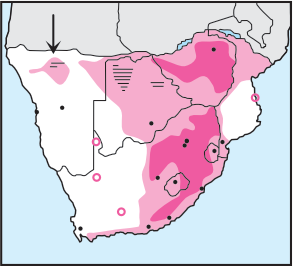
Common summer visitor. A small, kestrel-like falcon; migrates to southern Africa from its breeding grounds in northern and eastern Asia, arriving in late spring and leaving by Apr–May. Female distinctive with heavily spotted underparts (including underwing coverts). Male very similar to male of [Red-footed Falcon], differing mainly in white (not dark) underwing coverts, the white often visible as a thin wedge on the underside of the folded wing even when perched. Immature greyer, less rufous than immature of [Red-footed Falcon]. Occurs in grassland and farmlands in flocks, often large; frequently mixes with [Lesser Kestrel] or [Red-footed Falcon]. Usually perches on power lines, roadside posts or fences, frequently taking flight for brief sorties before resettling. Roosts in tall trees and is most commonly seen in the eastern regions. 100-190g.

Quick Facts

size

Size

28-30 cm - M

behaviour

Names

A: Oostelike Rooipootvalk
Z: oklebeklebe
Ss: Phakwe Ya Leotolamunu
G: Amur-Rotfußfalke

Bird Family

Small raptors characterised by pointed wings and, usually, prominent ‘sideburns'. Females are larger than males. Falcons are aerial hunters, typically seizing smaller birds in a rapid dive from above. Characteristic calls are high-pitched ‘kek-kek-kek-kek' sounds, uttered when agitated. Kestrels are small falcons that eat insects caught in the air with their feet, or small mammals and reptiles caught on the ground. Their flight is more leisurely than that of true falcons.


Grey
Grasslands

Distribution

Gallery

behaviour

Behaviour

Breeding

Breeding

Habitat

Habitat

Occurs in 'grassland' and farmlands in 'flocks', often large; frequently mixes with [Lesser Kestrel] or [Red-footed Falcon].


behaviour

Best Locations

0 Cart