

African Sacred Ibis

Threskiornis aethiopicus

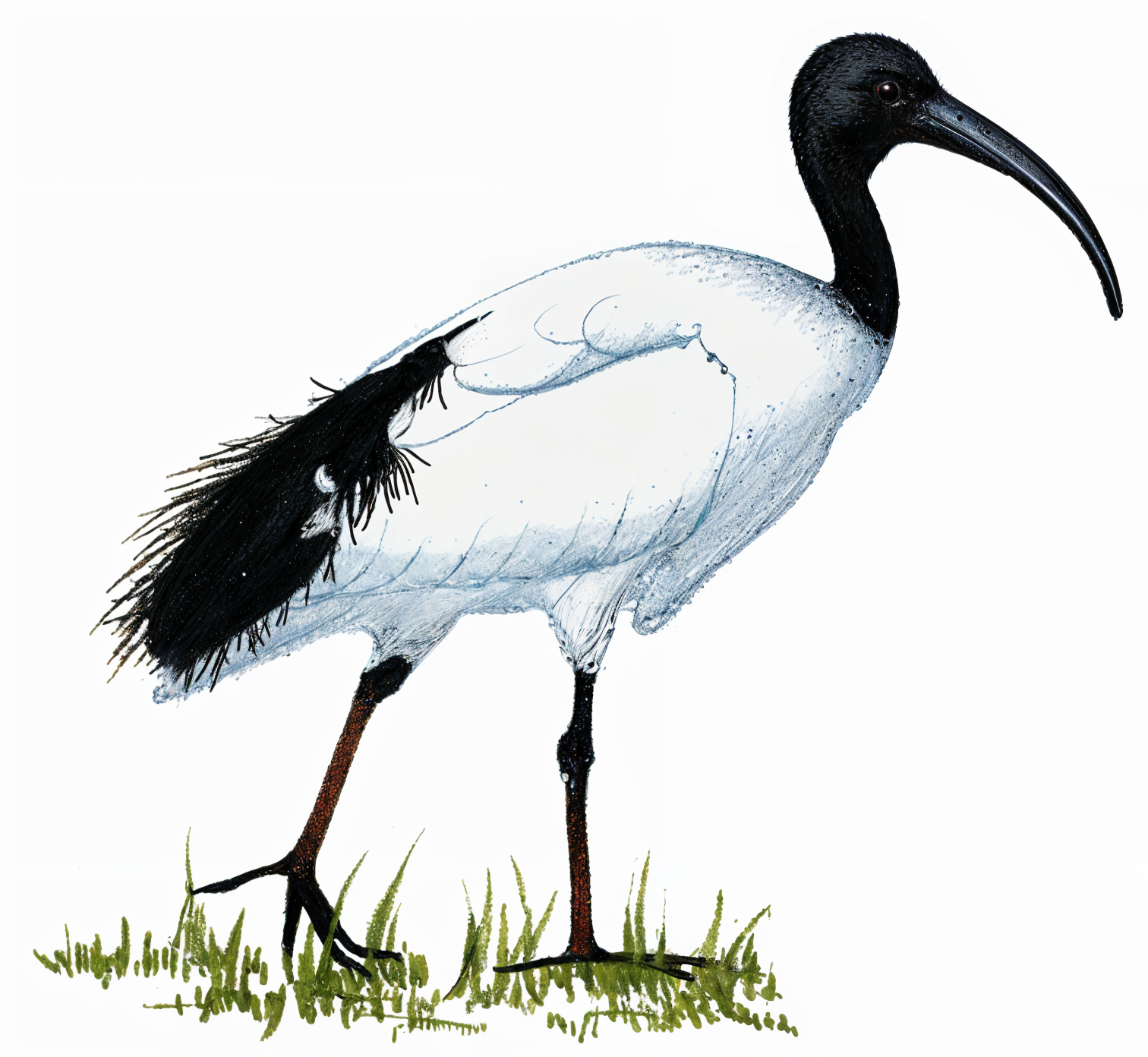
Wetlands. White bird with black head, neck and down-curved beak.
Ibises, Spoonbills
LC
Not Endemic
African Sacred Ibis

Description

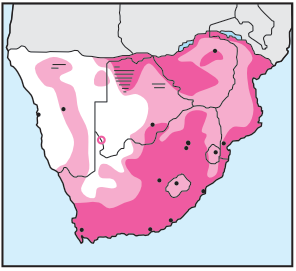
Common resident. Decurved black bill and black head, neck and legs contrast with otherwise white plumage. At close range, loose, fluffy plumes on the back are visible. In the immature, black head and neck are speckled white, front of the neck white. Groups or flocks forage in marshy ground, dams, on shorelines, agricultural lands, rubbish dumps and in breeding colonies of other large birds. Migratory to some degree within Africa. In southern Africa, most common in summer.

Quick Facts

size

Size

89 cm - VL

behaviour

Names

A: Skoorsteenveër
Z: inkankanelunga
Ss: Lehalanyane
G: Heiliger Ibis

Bird Family

Fairly large birds with longish legs. Ibises have long, decurved bills for probing in the ground for insects, worms and other invertebrates, as well as small reptiles and mammals on occasion. Spoonbills have spatulate bills used to catch small fish and aquatic invertebrates. All but the Hadeda Ibis are normally silent.


Black & White
Wetlands

Distribution

Gallery

behaviour

Behaviour

Breeding

Breeding

Habitat

Habitat

Groups or 'flocks' forage in marshy ground, dams, on shorelines, agricultural lands, rubbish dumps and in breeding colonies of other large birds.


behaviour

Best Locations

0 Cart