

Marsh Sandpiper

Tringa stagnatilis

Wetlands. Above sandy-brown with white feather edges and back; below white, slender black bill; long yellow-green legs.
Allied Waders, Sandpipers
LC
Not Endemic
Marsh Sandpiper Newman's Birds

Description

Common summer visitor. Clear white underparts diagnostic. Differs from [Common Greenshank] in smaller size, straight, slender bill and yellowish legs. In flight shows white back and rump as [Common Greenshank], but its feet protrude further. When put to flight, calls a soft rapid ‘tjuu-tjuu-tjuu’. Occurs singly or in small groups on coastal lagoons and estuaries or inland waters. Feeds by probing in shallows.

Quick Facts

size

Size

23 cm - M

behaviour

Names

A: Moerasruiter
Z: unothwayiza
Ss: Mosalakatane Wa Molhaka
G: Teichwasserläufer

Bird Family

A group of small birds usually found along shorelines and wading in shallow water. They usually have longish legs and bills for probing mud, feeding on small insects and invertebrates. Species breed in northern regions and during this time the males assume richly coloured plumage. They migrate south in drab non-breeding plumage at the start of the southern hemisphere summer. Illustrations depict the species in non-breeding plumage, unless otherwise indicated.


Speckled
Wetlands

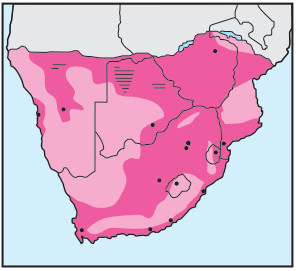
Distribution

Gallery

behaviour

Behaviour

Breeding

Breeding

Habitat

Habitat

Occurs singly or in small groups on coastal lagoons and estuaries or inland waters.

behaviour

Best Locations

0 Cart