

Lesser Kestrel

Falco naumanni

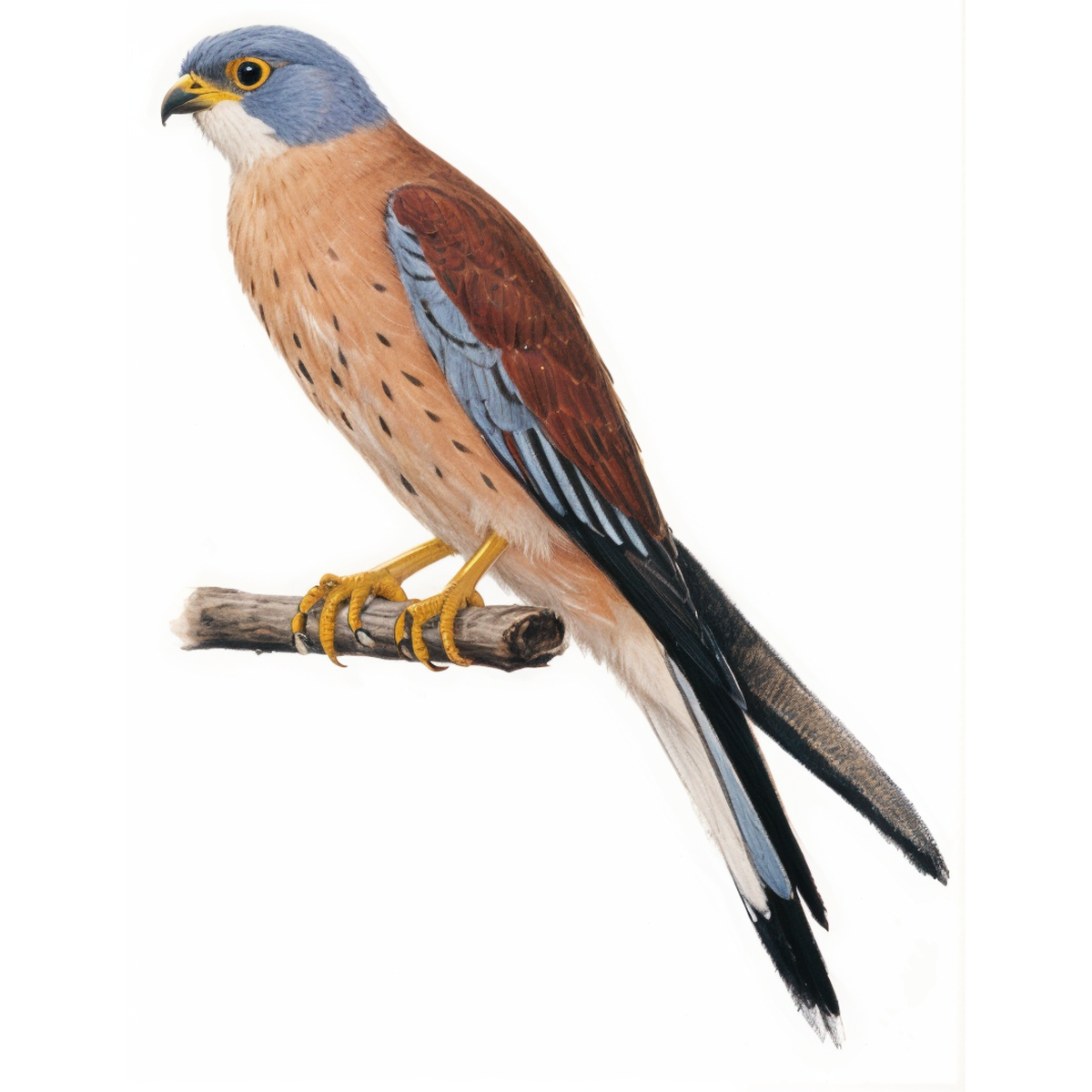
Grasslands. Both sexes have rufous upperwings; male has grey head, secondary coverts, back and upper tail.
Falcons, Kestrels
LC
Not Endemic
Lesser Kestrel Male AI

Description

Uncommon to locally common summer visitor. Male differs from [Rock Kestrel] in plain underwings, plain (not spotted) mantle and grey upper wing coverts. Female differs from female and juvenile [Rock Kestrel] in more slender shape, contrast between paler underparts and darker upper parts, and brown (not grey) tail barred black. Female occurs in flocks, often hundreds in grassland and Karoo, perching on roadside posts, pylons, wires or bushes, or wheeling in leisurely flight. Flocks roost in tall trees (usually Eucalyptus), often in country towns and sometimes in association with [Amur Falcon]. Its numbers have declined dramatically in recent years. 100-200 g.

Quick Facts

size

Size

28-30 cm - M

behaviour

Names

A: Kleinrooivalk
Z: umathebethebanomncane
Ss: Seotsanyana Se Senyenyane
G: Rötelfalke

Bird Family

Small raptors characterised by pointed wings and, usually, prominent ‘sideburns'. Females are larger than males. Falcons are aerial hunters, typically seizing smaller birds in a rapid dive from above. Characteristic calls are high-pitched ‘kek-kek-kek-kek' sounds, uttered when agitated. Kestrels are small falcons that eat insects caught in the air with their feet, or small mammals and reptiles caught on the ground. Their flight is more leisurely than that of true falcons.


Rufous
Grasslands

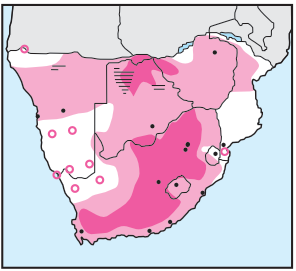
Distribution

Gallery

Lesser Kestrel Male AI
behaviour

Behaviour

Breeding

Breeding

Habitat

Habitat

Female occurs in 'flocks', often hundreds in 'grassland' and 'Karoo', perching on roadside posts, pylons, wires or bushes, or wheeling in leisurely flight.


behaviour

Best Locations

0 Cart