

Forest Buzzard

Buteo trizonatus

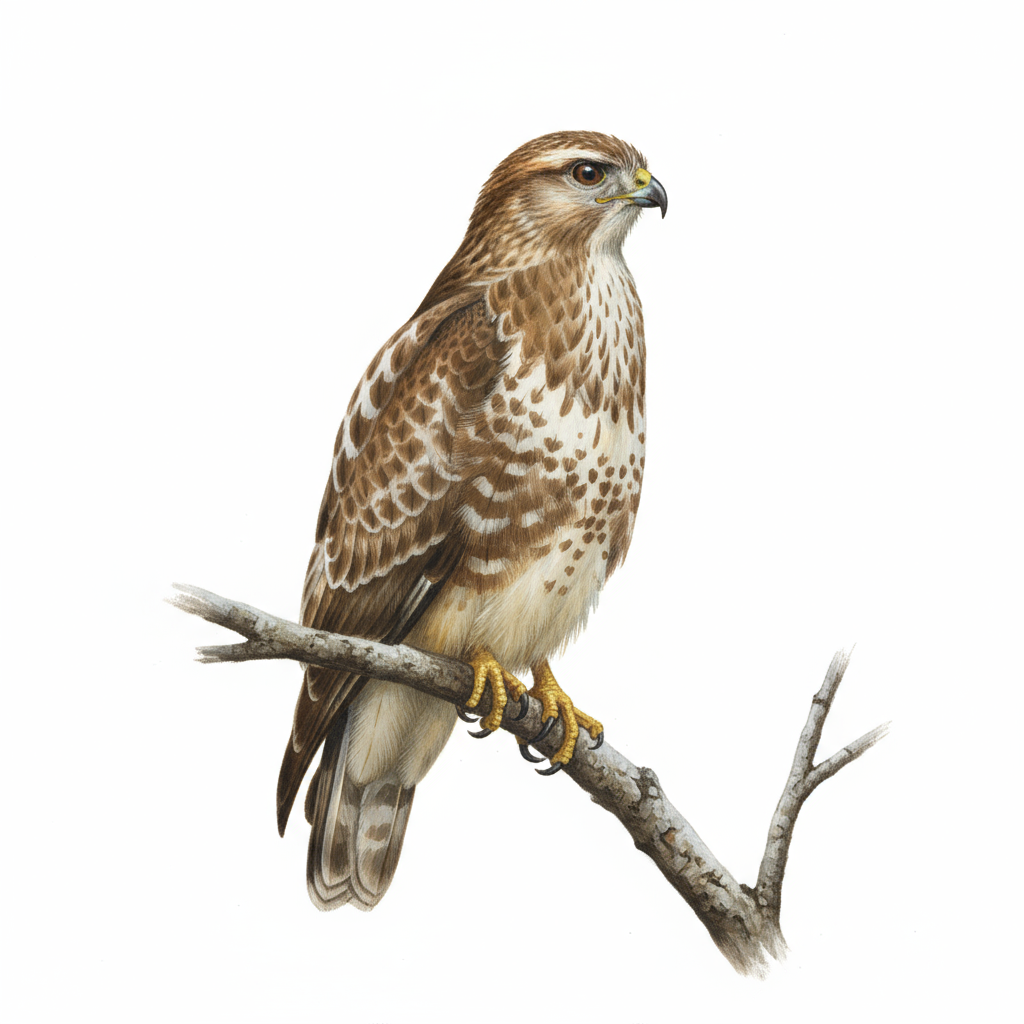
Exotic plantations. Small buzzard; dark brown above; white below with brown blotching; central breast region usually white; flanks only blotched in immatures.
Buzzards
NT
Endemic
Forest Buzzard in tree

Description

Uncommon endemic resident. Very similar to [Common Buzzard] and can be extremely difficult to tell apart. Somewhat smaller than [Common Buzzard] ; at all ages the underparts have drop-shaped brown blotches (not horizontal bands), densest in adults, with clear regions across the lower breast and underbelly. In flight and seen from below, wings appear whiter than [Common Buzzard] ; tail has only indistinct terminal band (variable). Immature has little spotting on underparts. The call, uttered in flight, is ‘keeeo-oo’. Usually occurs singly near montane plantations and forest or adjacent grassy plateaux, perching on the fringe of some open area. When disturbed flies easily through dense plantations. Northern range only in winter while breeding in the southern range. Feeding on small mammals, birds and insects. 0,7 g

Quick Facts

size

Size

45 cm - L

behaviour

Names

A: Bosjakkalsvoël
Ss: Kgajwane Ya Moru
G: Bergbussard

Bird Family

Large, soaring hawks about the size of a small eagle. They are robustly built with fairly large, rounded heads, small aquiline bills, large ceres, unfeathered lower legs and moderately long and rounded wings. Their tails appear rounded when spread.

Dark Brown
Forest

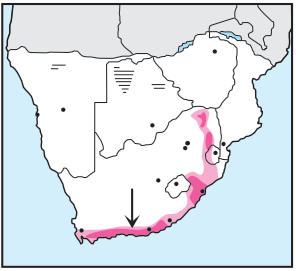
Distribution

Gallery

Forest Buzzard in tree
behaviour

Behaviour

Breeding

Breeding

Habitat

Habitat

Usually occurs singly near montane plantations and 'forest' or adjacent grassy plateaux, perching on the fringe of some open area.


behaviour

Best Locations

0 Cart