
Dark-backed Weaver

Ploceus bicolor

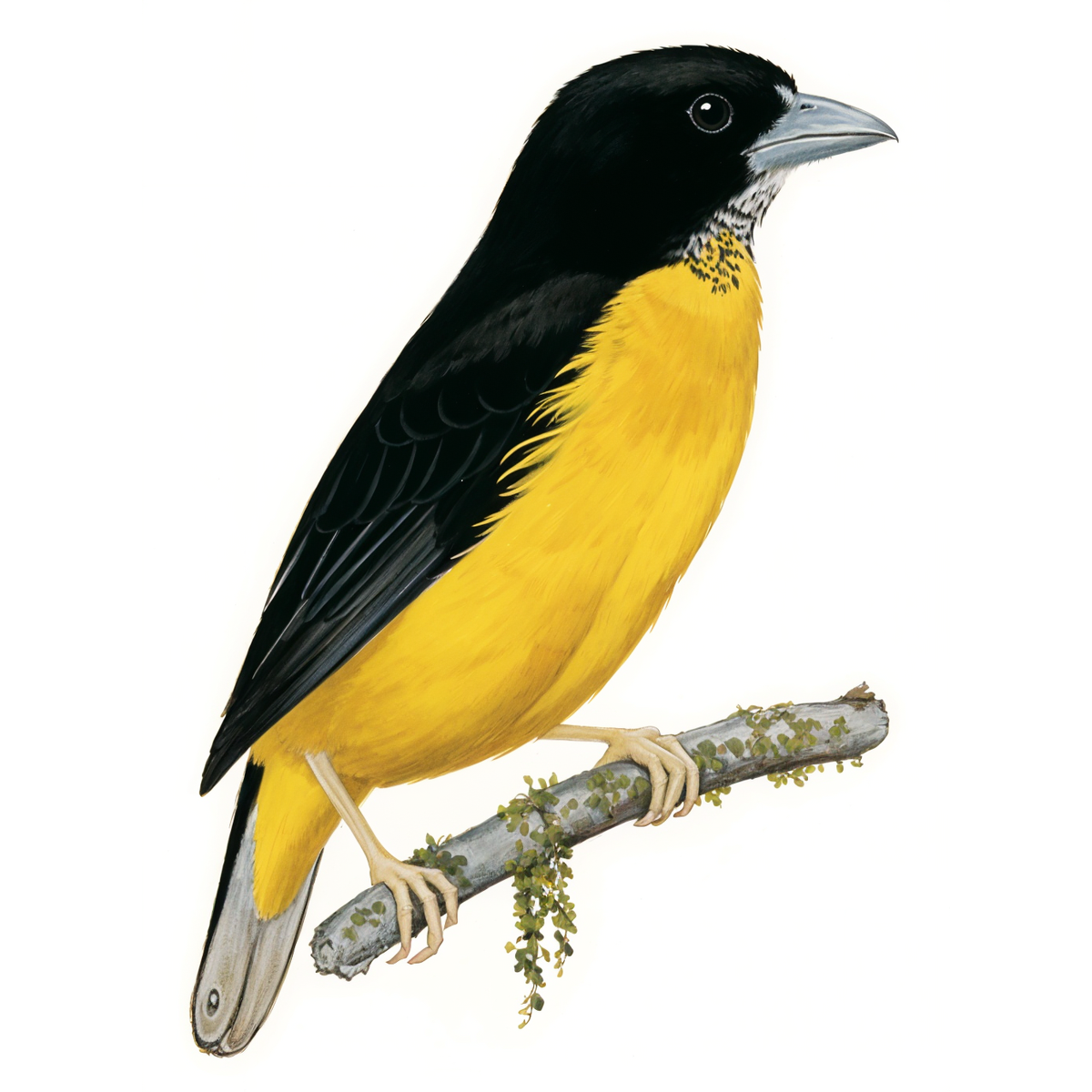
Forests. Dark brown above; yellow below; throat speckled, bill pale grey.
Queleas, Sparrows, Weavers
LC
Not Endemic
Dark backed Weaver AI

Description

Common, localised resident. Adults identical, maintaining the same plumage all year. Race (a) typical of southern birds, race (b) found in coastal southern Mozambique, northern Mozambique and northeastern Zimbabwe. Immatures are similar, the flanks with an olive wash. The song is a duet by both sexes, the most common phrase a high-pitched series of pleasant notes ‘fweeee, foo-fwee foo-fwee…’, repeated with variations plus some soft rattling sounds. A non-gregarious, insectivorous weaver usually occurring in pairs in the mid stratum of coastal and inland forests, dense riverine forest and valley bush. A quiet species that creeps about branches and probes for its food beneath bark and in Usnea lichen (‘old man’s beard’).

Quick Facts

size

Size

16 cm - S

behaviour

Names

A: Bosmusikant
Z: idonsi
G: Waldweber

Bird Family

A very large group of conical-billed, mainly seed-eating birds. Many breed colonially and weave complicated nests that aid identification.


Dark Brown
Forest

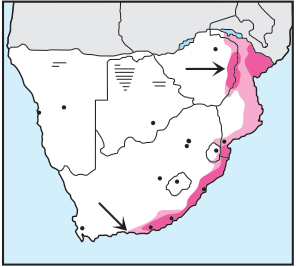
Distribution

Gallery

Dark backed Weaver AI
behaviour

Behaviour

Breeding

Breeding

Habitat

Habitat

Race (a) typical of southern birds, race (b) found in coastal southern Mozambique, northern Mozambique and northeastern Zimbabwe. A non-gregarious, insectivorous weaver usually occurring in pairs in the mid stratum of coastal and inland forests, dense riverine 'forest' and valley bush.


behaviour

Best Locations

0 Cart