
Common Waxbill

Estrilda astrild

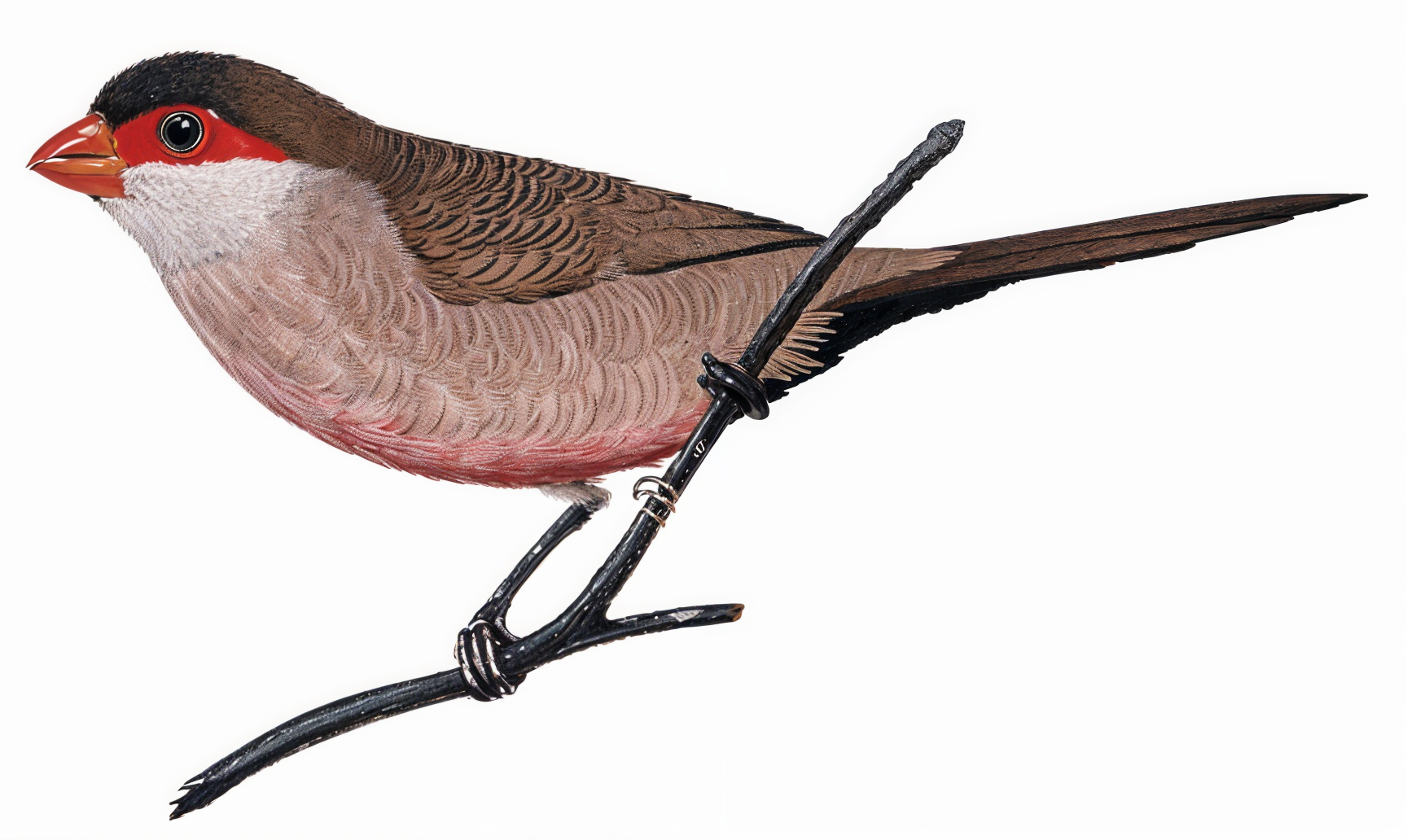
Wetlands. Red mask, bill and ­central belly; brown-barred below.
Finches, Mannikins, Twinspots, Waxbills
LC
Not Endemic
Common Waxbill

Description

Common resident. Red bill, facial skin and underbelly distinctive; immature has blackish bill. The call is ‘chik-chik-ZEEE, chik-chik-ZEEE’, descending on the third syllable. Small or large flocks occur on grassy riverbanks, reed beds, vleis and rank vegetation bordering cultivated lands. Very active birds, flocks always flying off in straggling procession from place to place. Feeds on the ground and on seeding grasses. Is the primary host of Pin-tailed Whydah.

Quick Facts

size

Size

13 cm - S

behaviour

Names

A: Rooibeksysie
Z: intiyanejwayelekile
Ss: Borane-Mpatsoku
G: Wellenastrild

Bird Family

Small, conical-billed, ground- or grass-feeding seed-eaters, although some will also eat insects. They usually have colourful plumage, although females are usually more drab than males. They generally occur in pairs, or are gregarious when not breeding.

Red
Wetlands

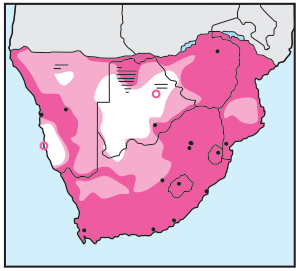
Distribution

Gallery

Common Waxbill
behaviour

Behaviour

Breeding

Breeding

Habitat

Habitat

Small or large flocks occur on grassy riverbanks, reed beds, vleis and rank vegetation bordering cultivated lands.
behaviour

Best Locations

0 Cart