

Chestnut-backed Sparrow-Lark

Eremopterix leucotis

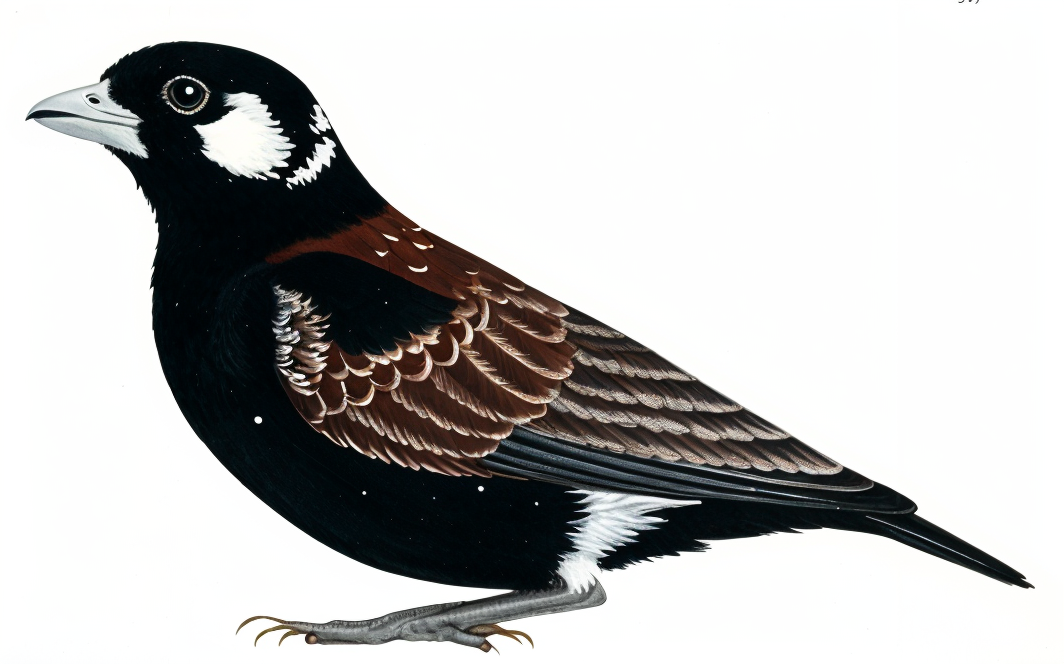
Grassy plains. Male has chestnut nape and wings; black head and body; white ear-patch.
Sparrow-Larks
LC
Not Endemic
Chestnut backed Sparrow LArk AI

Description

Common to locally abundant resident. Both sexes differ from other sparrow-larks in having chestnut wing coverts and grey underwings. Female similar to females of [Black-eared Sparrow-Lark] and [Grey-backed Sparrow-Lark], but has thin whitish collar and dark belly spot. Has a sharp, rattling call ‘chip-chwep’ and pretty song in fluttering flight. Flocks occur on open flats, airfields and cultivated lands, usually with low bushes nearby; typically on reddish soils. Makes off in low, irregular flight when disturbed, then suddenly resettles.

Quick Facts

size

Size

12-13 cm - S

behaviour

Names

A: Rooiruglewerik
Z: intakajolwane
Ss: Mmadiberwane-Nkatakgunong
G: Weißwangenlerche

Bird Family

Small, sparrow-like larks with marked sexual plumage differences. Gregarious, usually appearing in flocks even when breeding. Sparrow-larks are nomadic with regional fluctuations influenced by rainfall and abundancy of food (seeds). Their habitat is mainly open grassland, scrubland and semi-arid areas.


Rufous
Grasslands

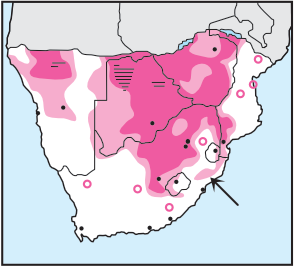
Distribution

Gallery

Chestnut backed Sparrow LArk AI
behaviour

Behaviour

Breeding

Breeding

Habitat

Habitat

Flocks occur on open flats, airfields and cultivated lands, usually with low bushes nearby; typically on reddish soils.


behaviour

Best Locations

0 Cart