

African Grass Owl

Tyto capensis

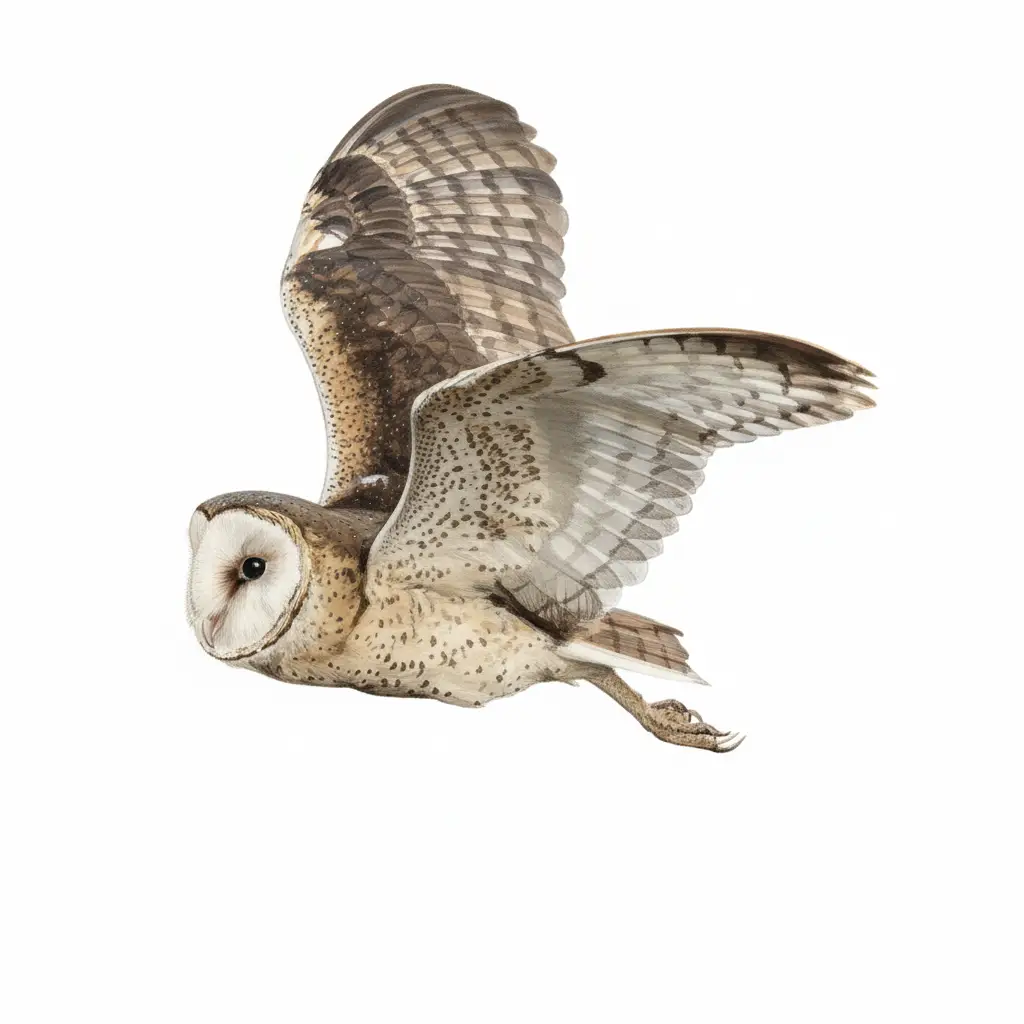
Moist grasslands. Dark brown above with small white spots; creamy below with small brown spots; no ‘ear’ tufts.
VU
Not Endemic
Grass Owl

Description

Uncommon resident. Closely similar to [Barn Owl] but distinguished by darker upper parts and different habitat. More likely to be confused with [Marsh Owl], which occurs in the same habitat and also roosts on the ground. Distinguished from that species by white (not buff) and heart-shaped facial disc and longer, narrower wings with less russet colouring. Hisses when disturbed; also utters a husky screech resembling that of [Barn Owl]. Occurs singly or in pairs in moist grassland, roosting and breeding on the ground in dense, rank grass. When disturbed during the day usually flies directly away and resettles; cf. [Marsh Owl].

Quick Facts

size

Size

34-37 cm - M

behaviour

Names

A: Grasuil
Z: isiKhova sotshani
Ss: Sephooko Sa Naga
G: Graseule

Bird Family

Nocturnal, erect-standing birds of prey characterised by large, rounded heads, large forward-facing eyes set in a flattened face and feathered legs (except for Pel's Fishing-Owl). Some have feather adornments on their heads that resemble ears, but they are not used for hearing. Immatures are usually darker and fluffier than adults.


Dark Brown
Grasslands

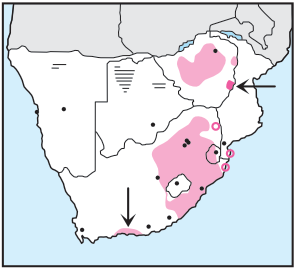
Distribution

Gallery

Grass Owl
behaviour

Behaviour

Breeding

Breeding

Habitat

Habitat

More likely to be confused with [Marsh Owl], which occurs in the same habitat and also roosts on the ground. Occurs singly or in pairs in moist 'grassland', roosting and breeding on the ground in dense, rank grass.


behaviour

Best Locations

0 Cart